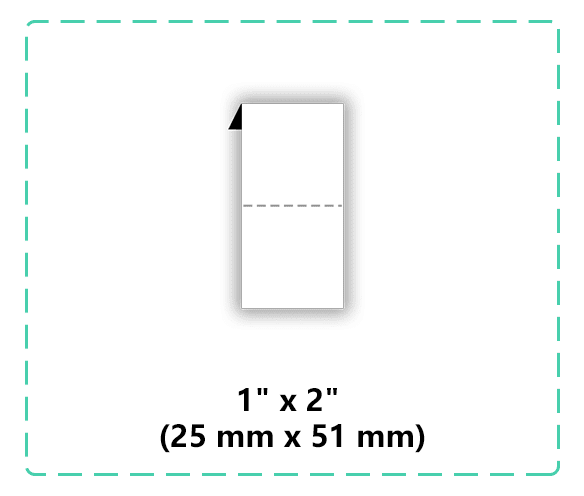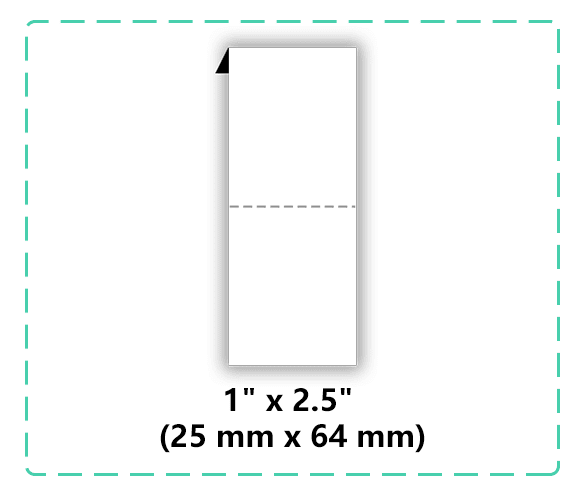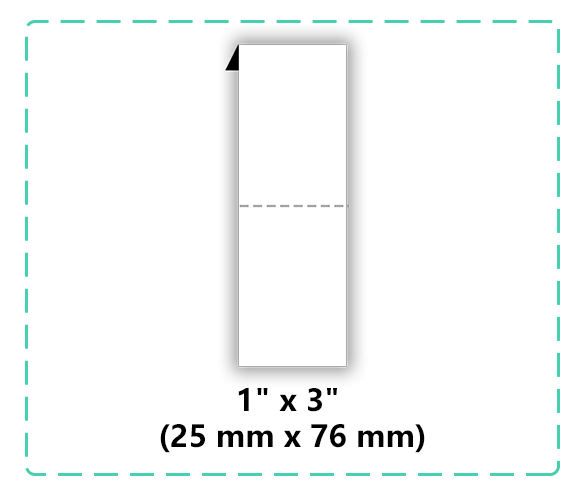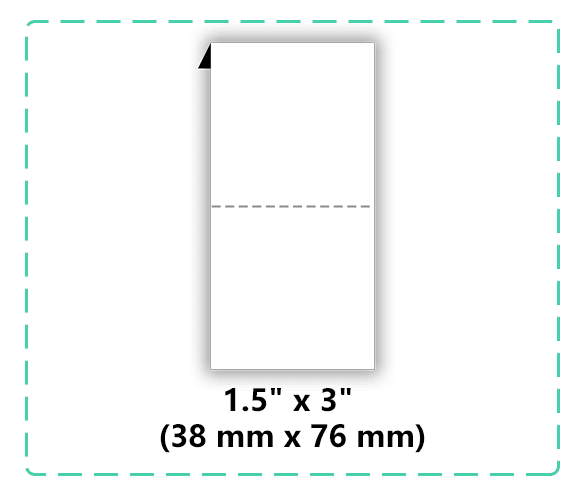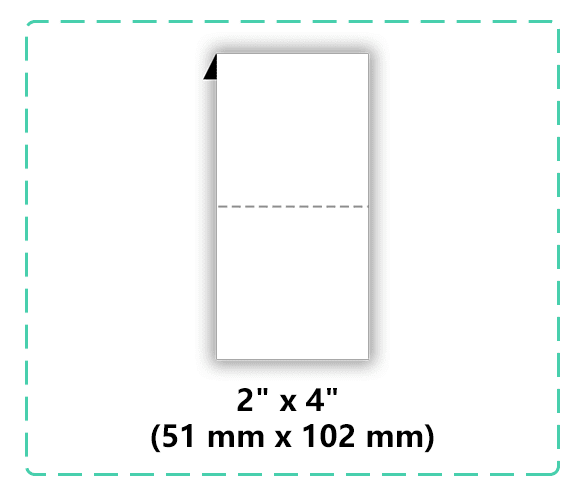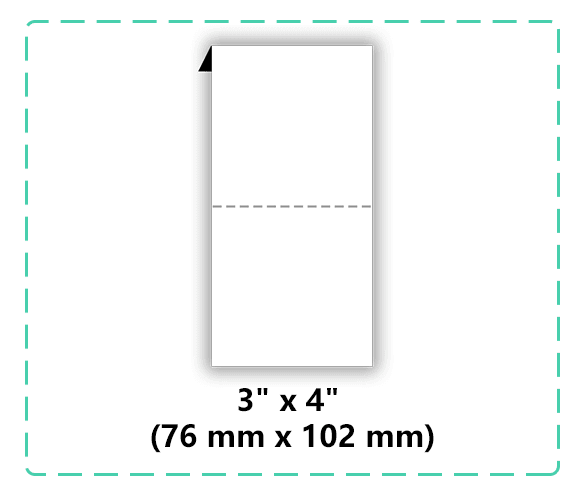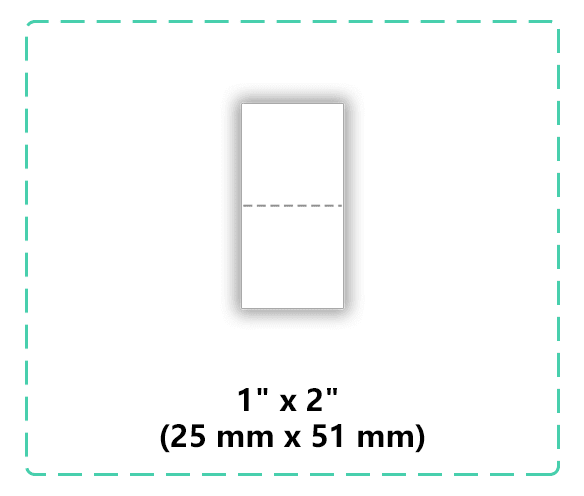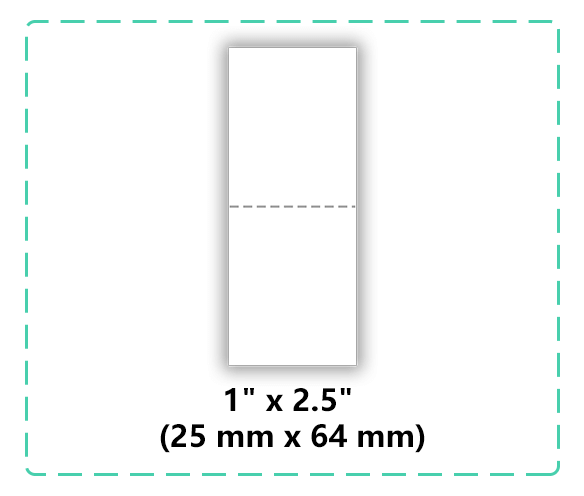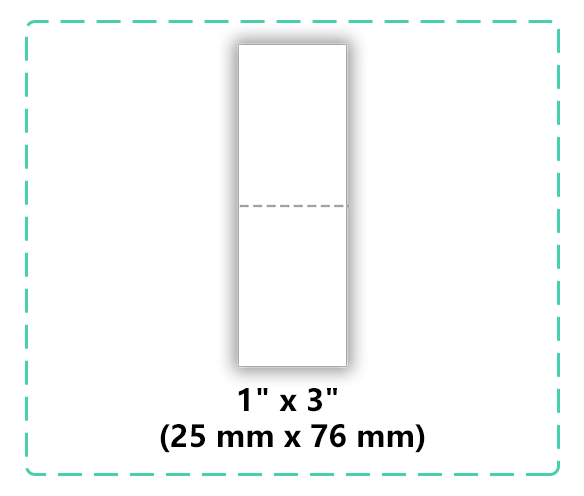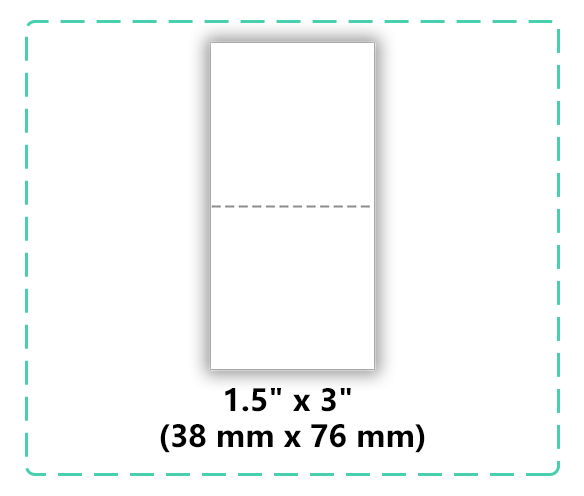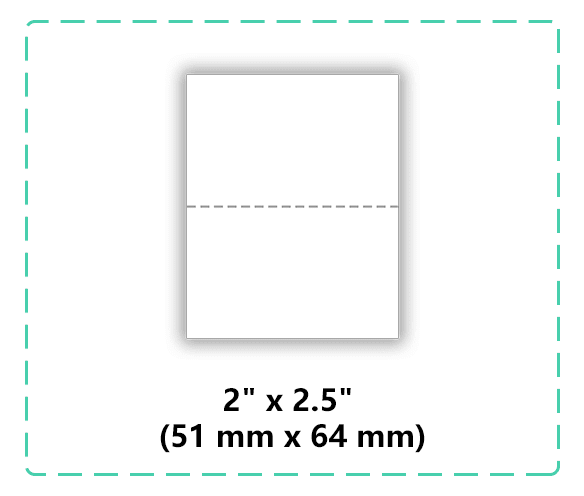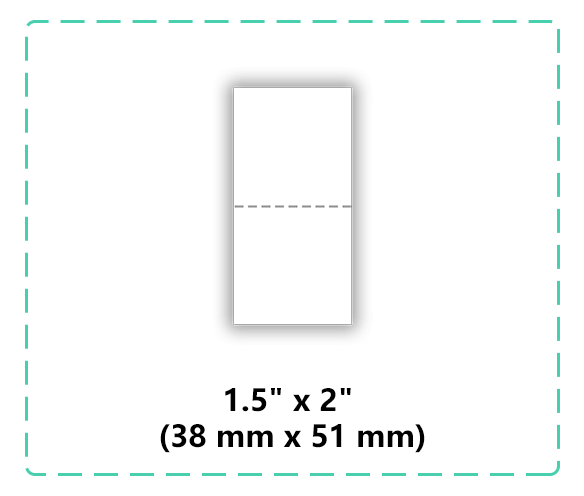

If you’re making clothing (or even small runs), care labels are one of those things you don’t think about… until you have to. And then it gets confusing fast:
“Do I really need a care label?”
“Is fiber content required?”
“Do I need country of origin?”
“Can I use symbols only?”
This guide gives you the practical answer—without legal jargon—so you can label your garments with confidence.
Quick note: I’m not a lawyer. This is a plain-English overview to help you avoid the most common mistakes. If you sell in highly regulated categories (kidswear, PPE, etc.), get professional compliance advice.
Jump to: USA checklist | EU rules | UK rules | Canada | Best layout
1) What a “care label” actually is (and what it’s not)
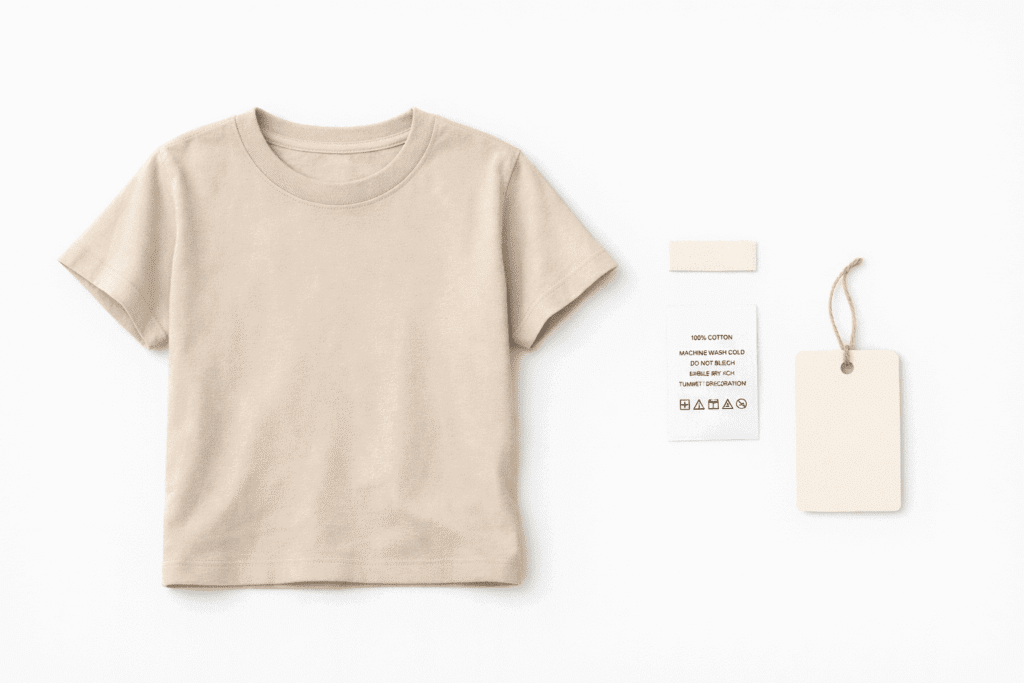
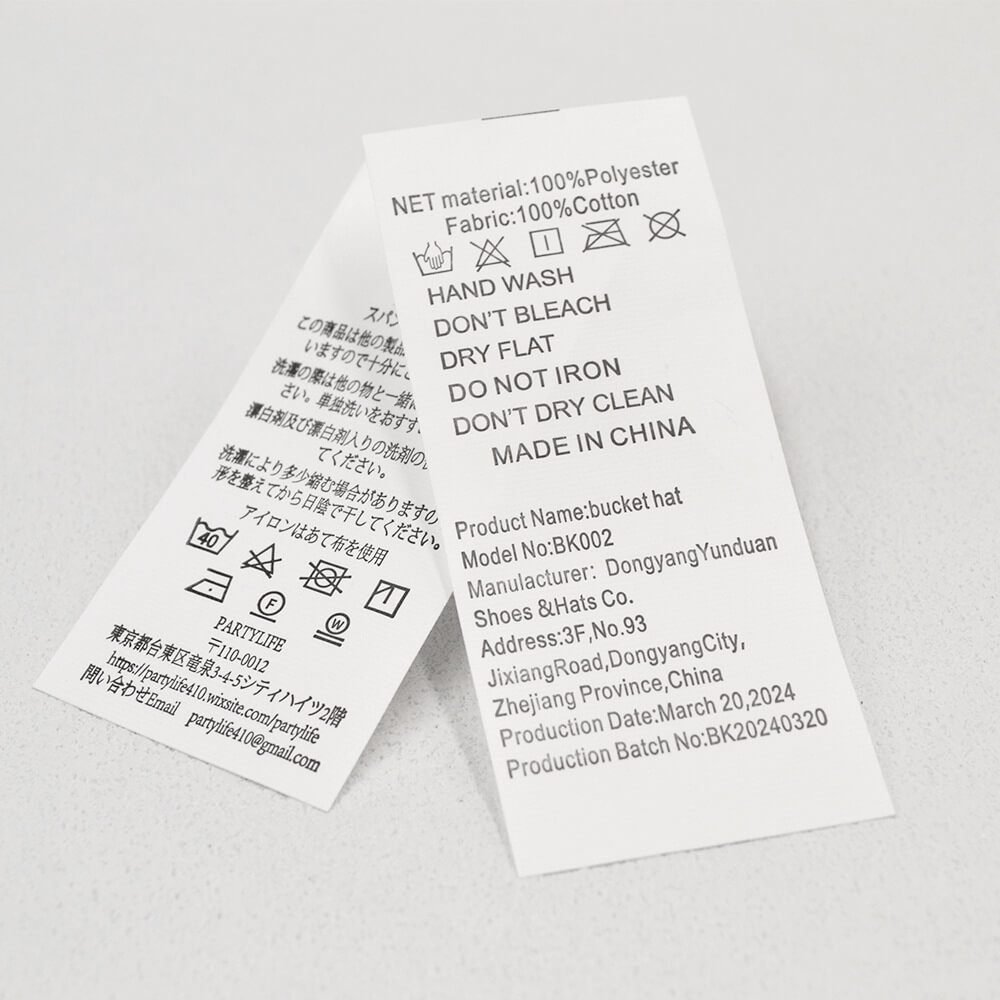
A care label is the label that tells customers how to clean and maintain the garment—wash, dry, iron, bleach, dry clean, and any warnings.
It’s not the same thing as:
a brand label (logo/brand name),
a size label (S/M/L),
or a hang tag (price + story + barcode).
In real production, brands often use a combo approach:
Brand label (woven label) + Care label (printed)
orBrand + Care combined in one longer label (common for basics)
2) USA (United States): the “must-have” checklist
In the U.S., there are two big buckets:
A) Care instructions (how to wash it)
For most textile wearing apparel, the FTC’s Care Labeling Rule requires care instructions (washing or drycleaning guidance).
In normal human terms:
You need to tell people the regular care needed for normal use—so they don’t ruin the item the first time they wash it.
B) Fiber content + origin + responsible company
The FTC also explains that most textile products must disclose:
fiber content
country of origin
identity of the manufacturer/importer/marketer (often via RN number)
Common mistake: brands only print washing symbols but forget fiber content and origin on the sewn-in label set.
✅ USA “safe” set to include (typical apparel):
Fiber content (percentages)
Country of origin
Responsible company (name or RN)
Care instructions (text and/or symbols—must be accurate)
3) EU (European Union): fiber composition is the core requirement
In the EU, the Textile Labelling Regulation focuses strongly on fiber composition and how it’s declared.
Plain-English takeaway:
If you sell into EU countries, make sure your fiber names and composition labeling are correct and consistent with the regulation.
What the EU regulation is mainly about:
using the correct fiber names
showing fiber composition clearly to consumers
Care instructions and extra claims can vary by country and retailer standards, so EU brands often add care symbols anyway (because returns are expensive, and customers will wash wrong).
4) UK: similar fiber composition rules (post-Brexit version)
In the UK, you’ll see requirements aligned with the “assimilated/retained” version of the EU textile rules (fiber naming + composition clarity).
Practical move:
If you sell both EU + UK, build one label layout that meets the strictest common requirements: clear fiber content + clear care instructions + responsible company info.
5) Canada: fiber content + dealer identity (origin isn’t always mandatory)
Canada’s guidance is refreshingly clear: labels generally need
fiber content
dealer identity (name/address or ID number)
And Canada notes that country of origin isn’t required on the textile label unless you choose to claim it.
So if you’re selling in Canada, the “don’t mess this up” part is really fiber composition + who’s responsible.
6) The easiest way to stay compliant across multiple markets
If you’re selling internationally, don’t create 10 different label versions unless you have to.
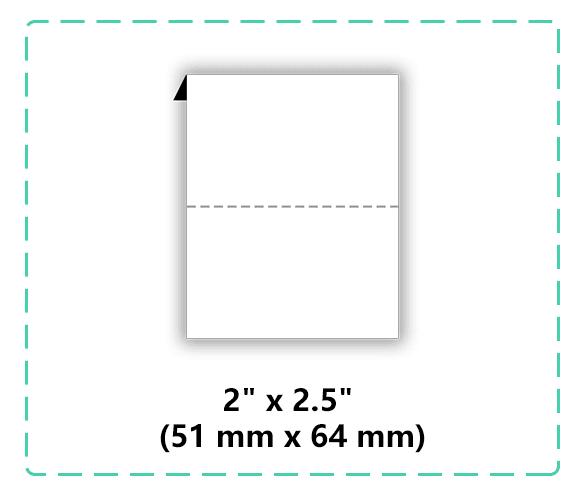
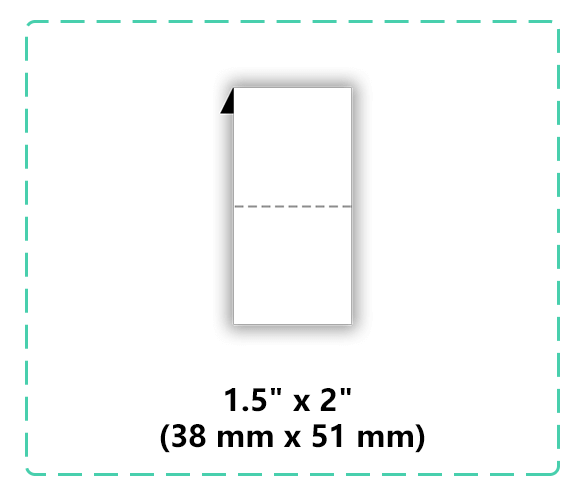
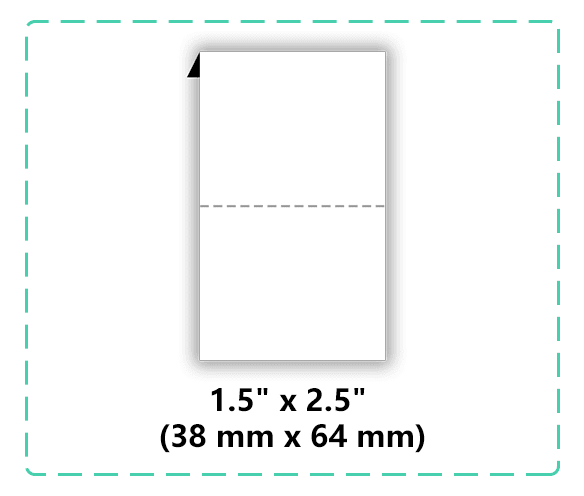
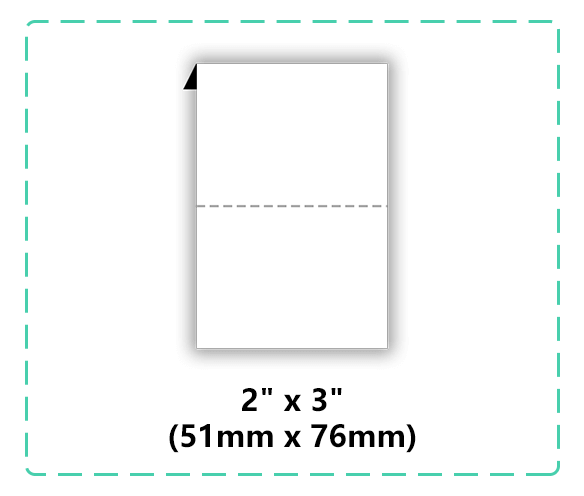
A practical “global-friendly” care label layout looks like this:
Line 1: Brand / Style (optional)
Brand name or style code, internal SKU
Line 2–3: Fiber content
100% Cotton
80% Cotton / 20% Polyester
Line 4: Care instructions (symbols + short text)
Wash cold, gentle cycle
Do not bleach
Tumble dry low
Cool iron if needed
(Or symbols that match those instructions)
Line 5: Country of origin (important for USA)
Made in ___
Line 6: Responsible company (name / RN)
RN ###### or company name
This format is easy to read, hard to misunderstand, and works for most clothing categories.
7) Where to place care labels (so customers don’t hate you)
Yes, placement matters. A “legal” label that scratches the neck still creates returns.
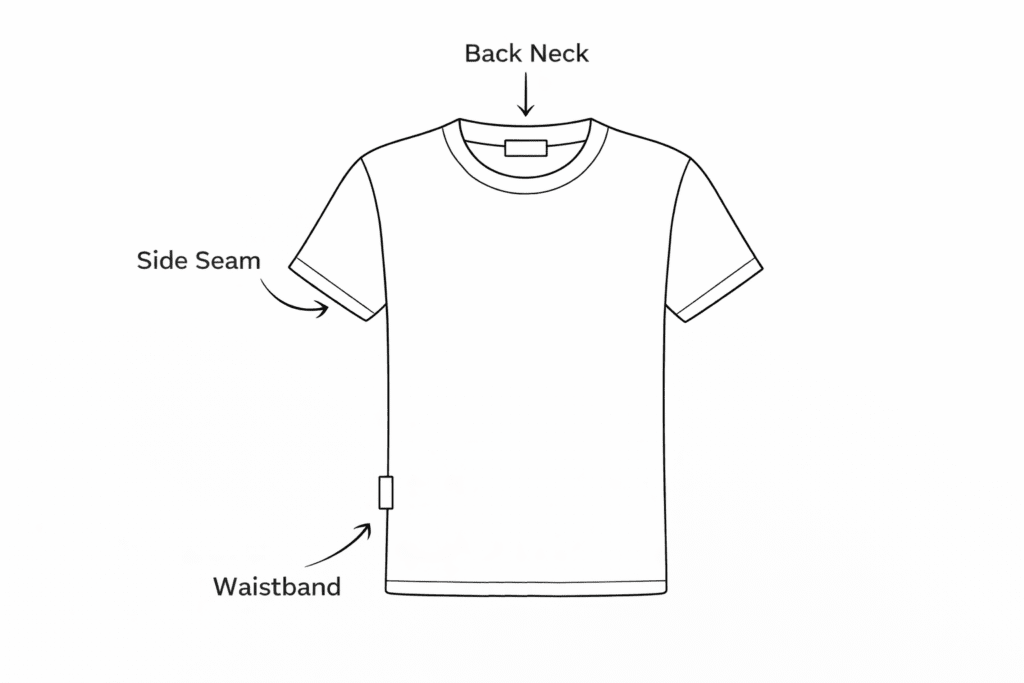
Most common placements:
Inside side seam (best comfort)
Back neck + below brand label (classic, but can be itchy if done wrong)
Waistband area (underwear/activewear, depends on material)
If your customers are sensitive-skin buyers (kidswear, underwear, tees), side seam is usually the safest bet.
8) Care symbols vs text: what’s better?
Best practice: use both.
Symbols are fast to scan. Text reduces confusion. Together, they cut down “I washed it once and it died” complaints.
Also: don’t invent symbols. Use standard ones, and make sure the meaning matches the fabric reality.
9) “We’re a small brand—do we really need this?”
If you sell online, the honest answer is: you’ll want it anyway, even before you “have to.”
Why?
Marketplaces/retailers often require it
It reduces avoidable returns
It makes the product feel finished and professional
10) Next step: how we can help
If you already have your care text, you can send it over and we’ll typeset it cleanly and make it factory-ready.
Need compliant, durable care labels?
Want brand labels too (woven/cotton/printed)? →
FAQ
For most textile wearing apparel, care instructions are required under the FTC Care Labeling Rule.
Canada’s guidance notes origin isn’t required on the label unless you choose to make an origin claim.
The EU Textile Labelling Regulation is mainly focused on fiber names and fiber composition disclosure to consumers.