Worldwide Shipping · Get a Custom Quote


Woven Label Size Guide for Neck, Hem & Side Seam Labels

Choosing the right woven label size helps your garment look cleaner, more professional, and easier to produce correctly.
For most clothing brands, the safest starting points are:
Hem labels: 1.5″ × 0.5″ / 38 × 13 mm
Neck labels: 2″ × 1″ / 50 × 25 mm
Side seam labels: 2″ × 0.5″ / 50 × 13 mm
These sizes work well for most custom woven labels, but the final production size also depends on your logo detail, label placement, fold type, and whether extra fold allowance is needed.
If you already have a logo, placement idea, and quantity, you can request a quote and we will recommend a practical woven label size before production.
Woven Label Size Chart
Use this chart as a practical starting point for custom woven labels. Final size may change depending on your logo, fold style, and sewing method.
| Placement / Use | Common Size | Best For | Notes |
|---|---|---|---|
| Neck Label – Standard | 2" × 1" / 50 × 25 mm | Main brand label | Most common size for clothing brands. |
| Neck Label – Minimal | 2" × 0.75" / 50 × 19 mm | Simple logo or brand name | Better for clean layouts with less text. |
| Neck Label – Premium Spacing | 2.5" × 1" / 63 × 25 mm | Larger logo or tagline | Gives more room for detail and spacing. |
| Side Seam Label – Standard | 2" × 0.5" / 50 × 13 mm | Side seam branding | Good for small logos and wordmarks. |
| Side Seam Label – Compact | 1.5" × 0.5" / 38 × 13 mm | Minimal brand tabs | Works best with simple icons or short names. |
| Hem Label – Standard | 1.5" × 0.5" / 38 × 13 mm | Hem or edge tabs | Common for subtle outside branding. |
| Hem Label – Larger | 2" × 0.5" / 50 × 13 mm | More visible hem branding | Better when the logo needs more space. |
| Kidswear / Babywear | 1.5" × 0.4" / 38 × 10 mm | Small garments | Keep the design simple and comfortable. |
| Larger Brand Label | 2.5" × 1" / 63 × 25 mm | Jackets, bags, knitwear | Better for bigger logos or more text. |
Note: These are common visible size references. If your label has center fold or end fold, the full flat production size may be larger.
Full Flat Size vs Visible Size
This is the most important sizing rule for woven labels.
Visible size
Visible size means the part of the label that can be seen after folding, sewing, or application.
For example, if a neck label shows as 2″ × 1″ after it is sewn into the garment, that is the visible size.
Full flat size
Full flat size means the complete label size before folding or sewing.
For folded woven labels, the full flat size is usually larger than the visible size because part of the label is folded inward or hidden inside the seam.
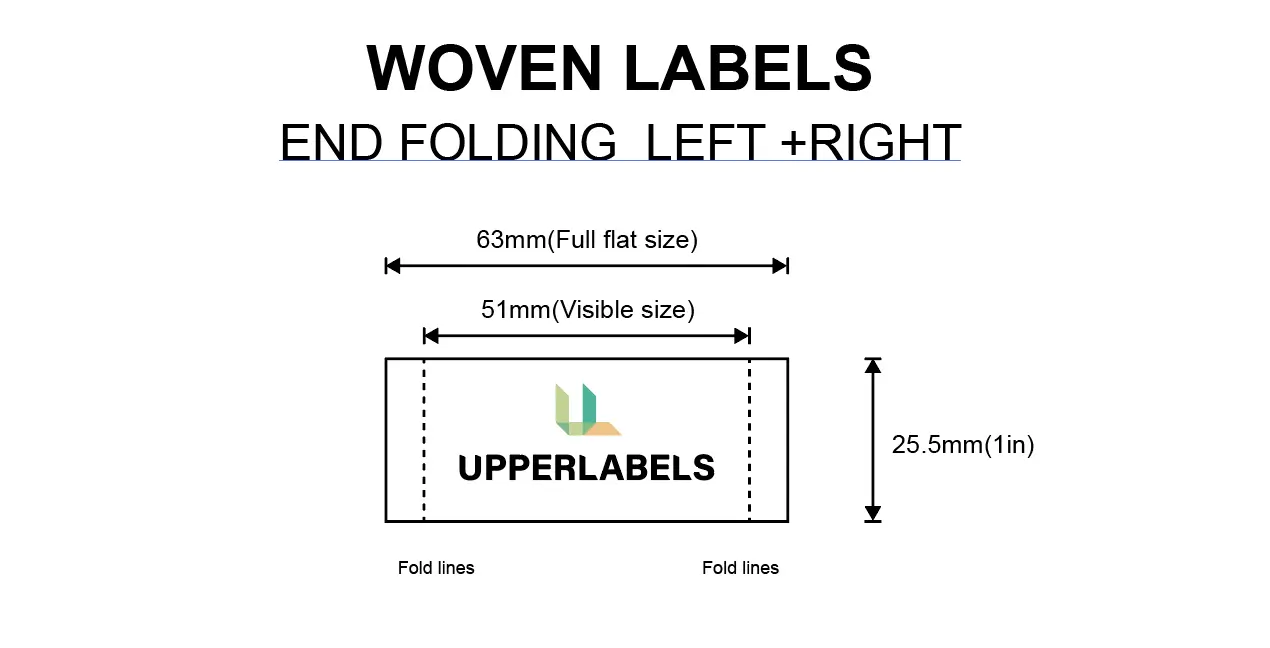
This is important because if you only provide the visible size, the final label may be produced too small.
Fold Allowance Rules
Fold allowance depends on the label finish. Always confirm whether your size refers to the visible size or the full flat production size before production.
| Fold Type | How It Works | Size Rule |
|---|---|---|
| Straight Cut | No fold allowance is needed. | The production size is usually the same as the visible size. |
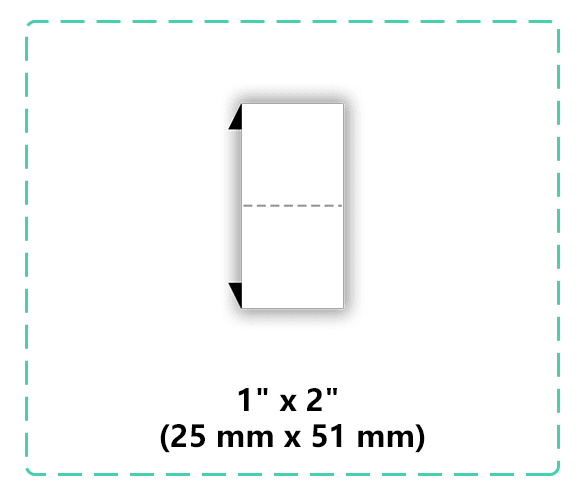
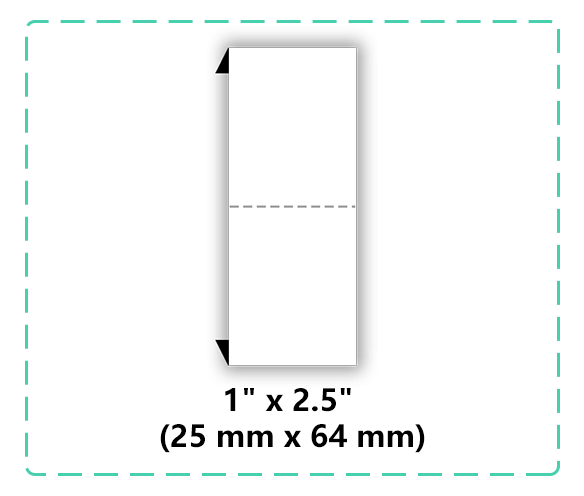
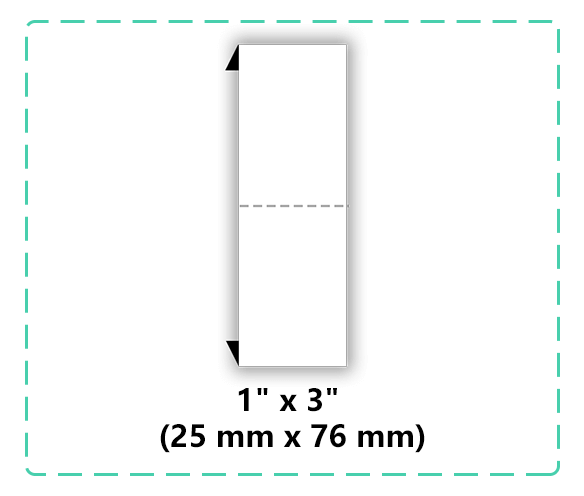
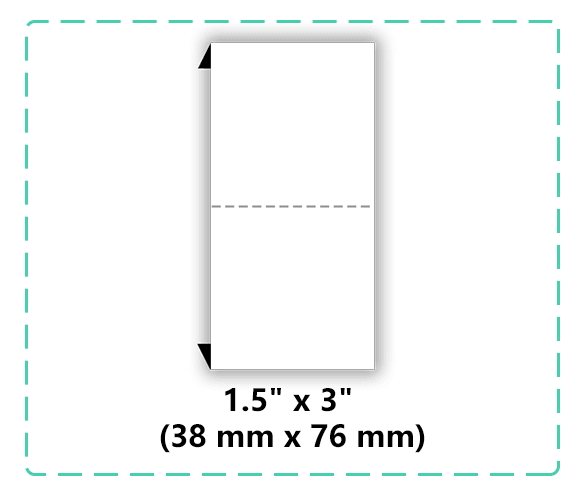
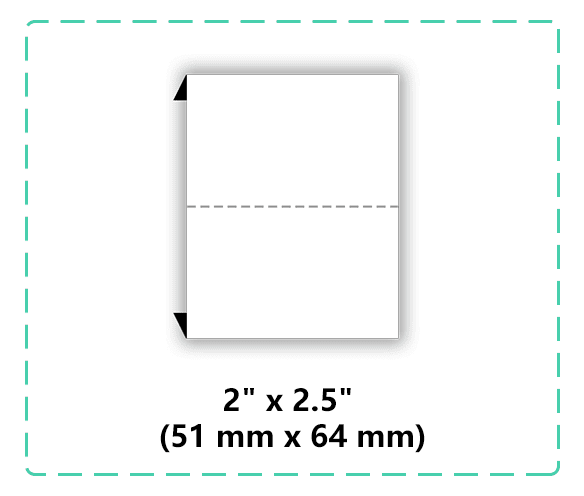
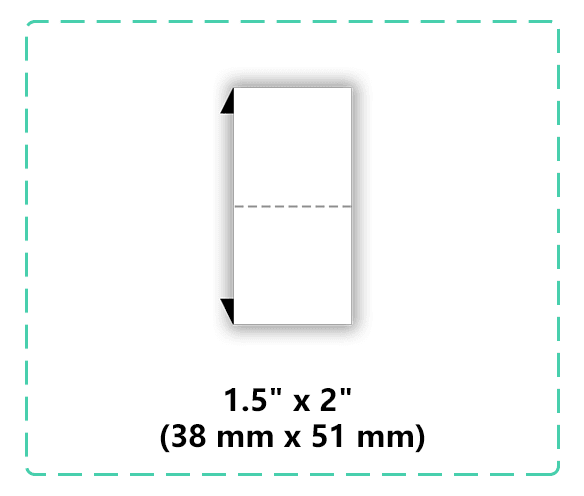
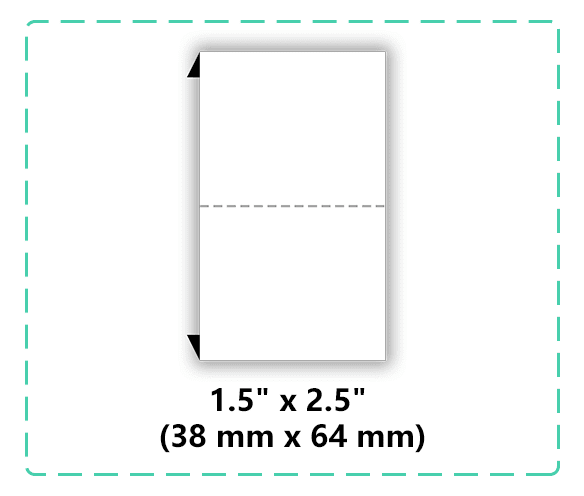
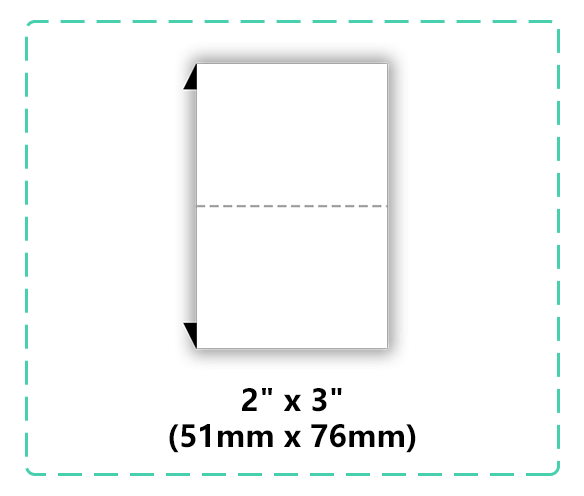
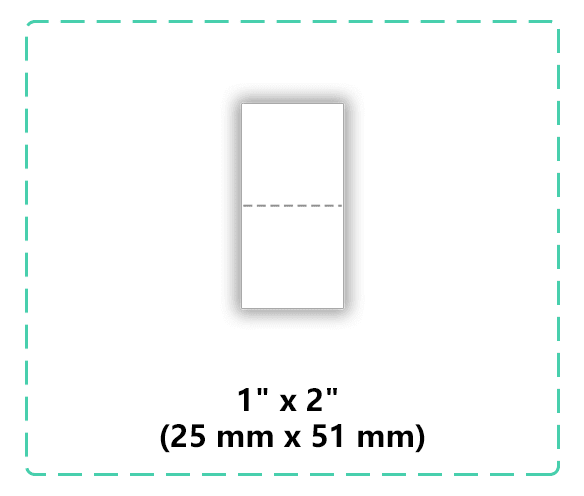
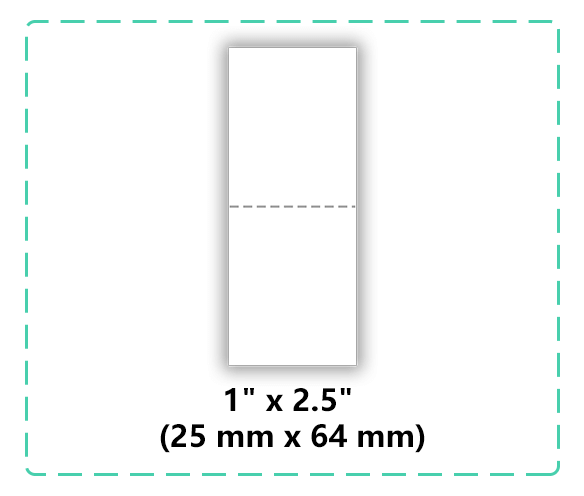
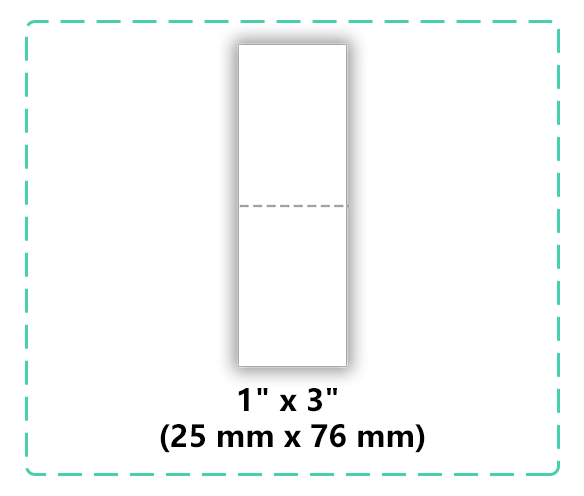
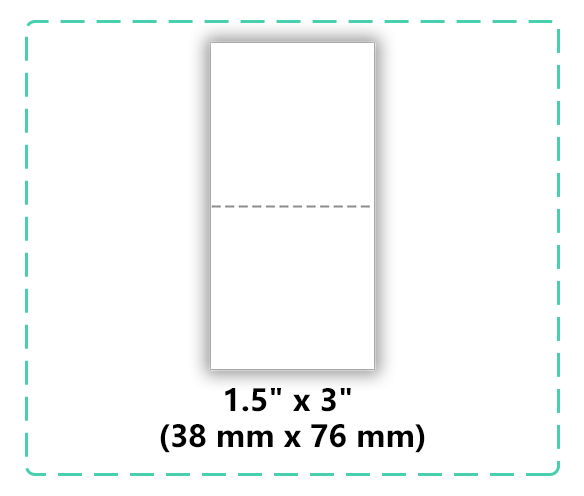
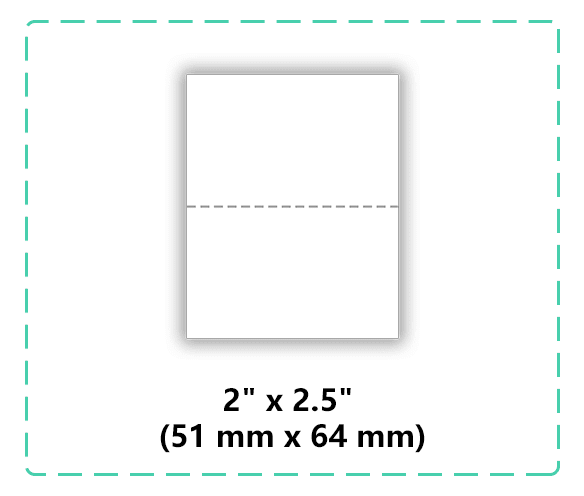
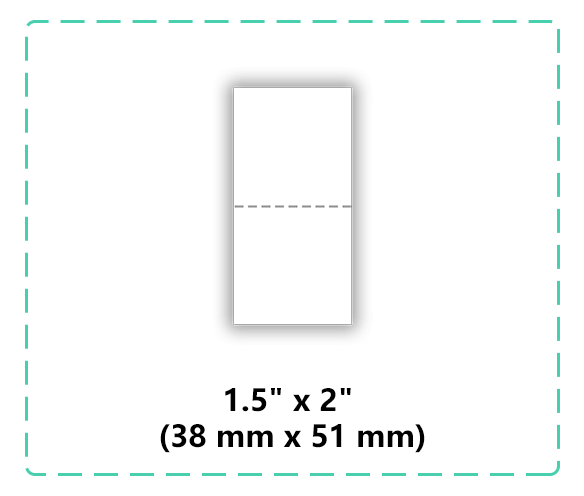
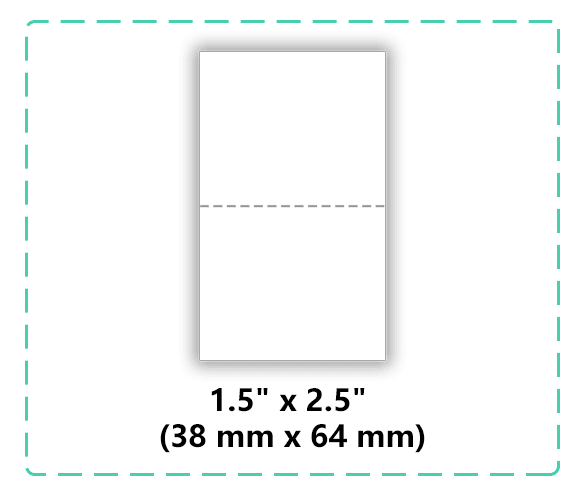
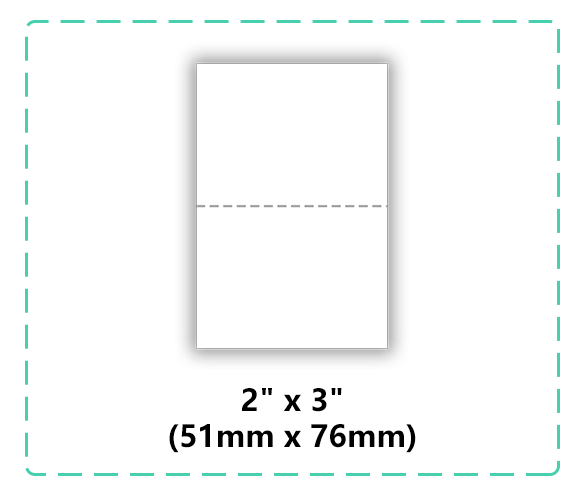
| Center Fold | The label folds in the middle. | The full flat height is usually about double the visible height. |
| End Fold | The left and right ends fold inward. | Add extra length for both folded ends before confirming production size. |
| Iron-On Backing | The label is applied without sewing. | Confirm the final visible size and backing requirements before production. |
Example: End Fold Label
If you want a woven label to appear as:
2.36″ × 0.5″ visible size
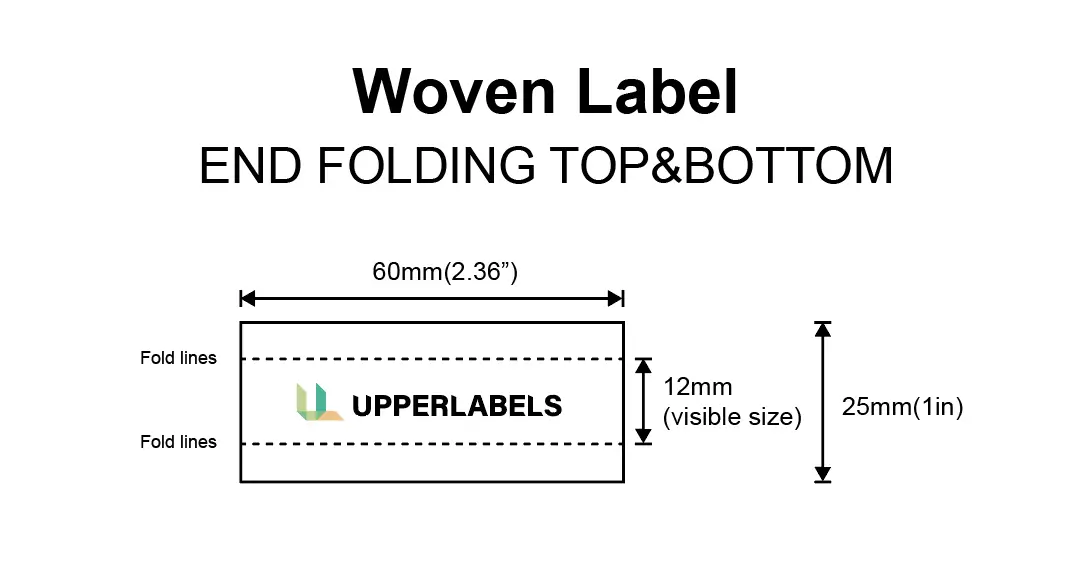
and both ends need to fold inward, the full flat production length must include extra fold allowance.
So the production size may need to be longer than 2″, depending on the fold depth and sewing method.
Common Woven Label Sizes by Placement
Neck Labels
Neck labels are usually used inside the collar area. They should be clear, comfortable, and not oversized.
Common sizes:
- 2″ × 1″ / 50 × 25 mm
- 2″ × 0.75″ / 50 × 19 mm
- 2.5″ × 1″ / 63 × 25 mm
Best for:
If your logo has fine details, choose:
- Brand name
- Logo
- Size mark
- Small tagline
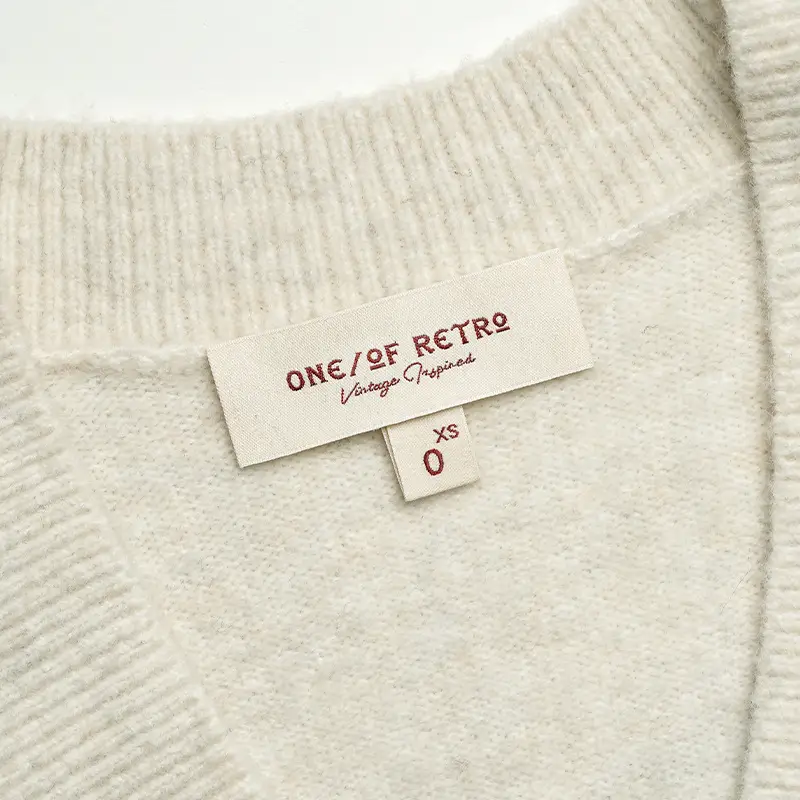
If your logo has fine detail, choose a slightly larger size instead of forcing the artwork into a small label.
Side Seam Labels
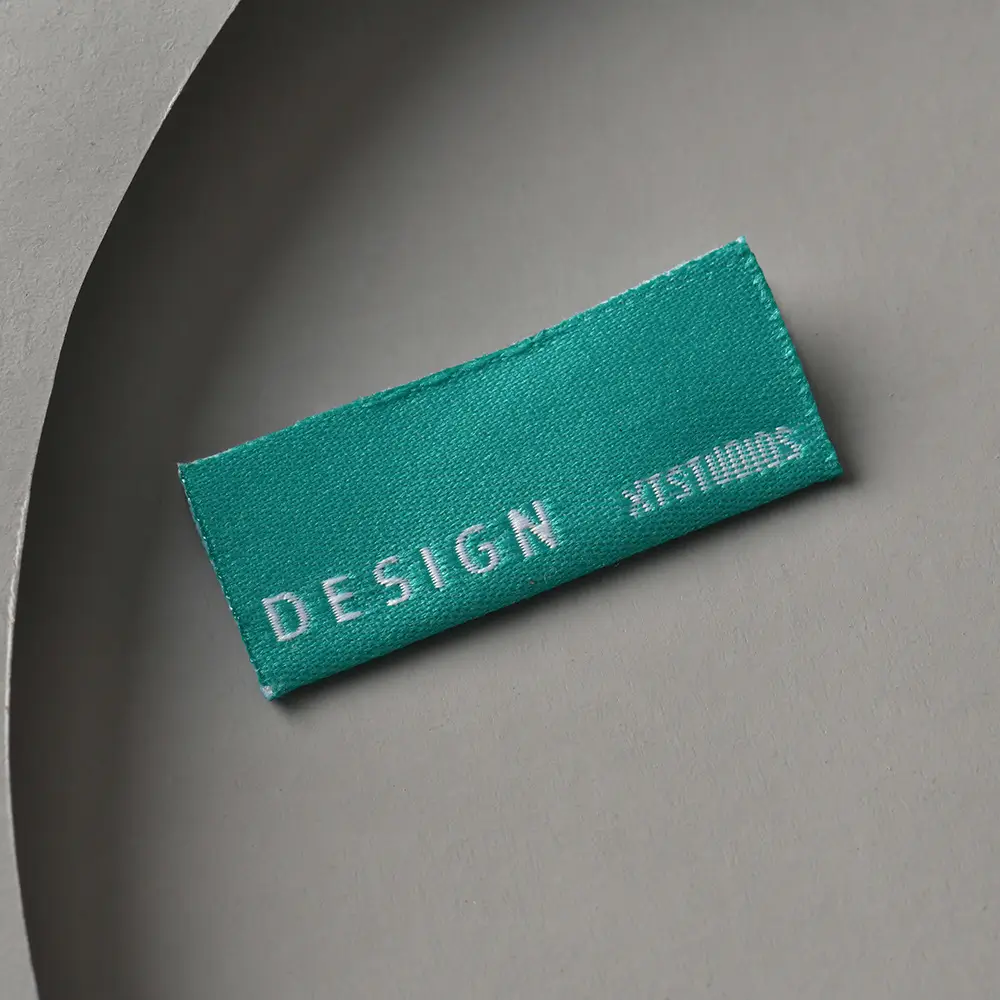
Side seam labels are usually smaller and more subtle. They are often used as outside brand tabs.
Common sizes:
- 2″ × 0.5″ / 50 × 13 mm
- 1.5″ × 0.5″ / 38 × 13 mm
- 2″ × 0.4″ / 50 × 10 mm
Best for:
- Minimal logos
- Small icons
- Short brand names
- Streetwear and casual apparel
Side seam labels usually work best when the design is simple.
Hem Labels
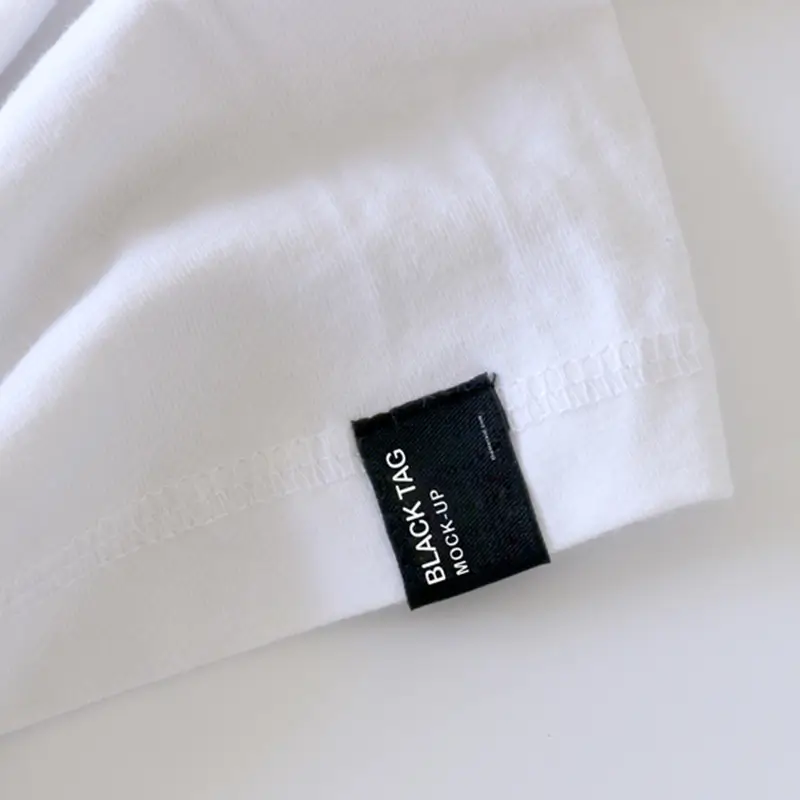
Hem labels are often used near the bottom edge of shirts, hoodies, jackets, bags, or accessories.
Common sizes:
- 1.5″ × 0.5″ / 38 × 13 mm
- 2″ × 0.5″ / 50 × 13 mm
Best for:
- Subtle outside branding
- Hem tabs
- Pocket edge labels
- Bags and accessories
If the label is visible on the outside of the garment, make sure the size feels proportional to the garment.
How to Choose the Right Woven Label Size
Before confirming your size, answer these four questions.
1. Where will the label be placed?
Neck labels need to be comfortable.
Side seam labels can be smaller.
Hem labels can be more visible depending on your brand style.
2.How detailed is your logo?
Detailed logos need more space.
If your design includes small text, thin lines, or detailed artwork, a larger woven label size will usually produce a cleaner result.
3.Will the label be folded?
This changes the production size.
A center fold or end fold label may need a larger full flat size than the final visible size.
4.Will the label touch skin?
If the label touches the neck or skin, comfort matters. For neck labels and kidswear, avoid oversized or overly stiff labels.
Common Size Mistakes to Avoid
Mistake 1: Only giving the visible size
If your label is folded, the visible size is not always the same as the full flat production size.
Always confirm whether the size you provide is:
- visible size
- full flat size
- folded size
Mistake 2: Making the label too small for the logo
Very small woven labels cannot show every detail clearly. If your logo has fine lines or small text, increase the label size or simplify the design.
Mistake 3: Ignoring fold allowance
End fold and center fold labels need extra material for folding. Without this allowance, the final visible label may become smaller than expected.
Mistake 4: Mixing inches and millimeters
To avoid production mismatches, confirm one final unit before production. We can work with inches or millimeters, but the final approved proof should be clear.
Not Sure Which Size to Choose?
If you are not sure, use this simple method:
- Start with 2″ × 1″ / 50 × 25 mm for a standard neck label.
- Choose the placement: neck, side seam, hem, or main brand label.
- Confirm the fold type: straight cut, center fold, end fold, or iron-on.
- Send your logo and quantity so we can recommend the correct production size.
For most brands, this is faster and safer than guessing the size alone.
Send us your logo, preferred placement, fold type, and quantity. We will recommend a practical woven label size before production.
Woven Label Size FAQ
The most common woven neck label size is around 2″ × 1″ / 50 × 25 mm. This size works well for a brand name, logo, size mark, or short tagline.
A common side seam label size is 2″ × 0.5″ / 50 × 13 mm. If your logo is very simple, 1.5″ × 0.5″ / 38 × 13 mm can also work.
Many hem labels use 1.5″ × 0.5″ / 38 × 13 mm or 2″ × 0.5″ / 50 × 13 mm. The better choice depends on how visible you want the label to be.
Visible size is the part of the woven label you can see after sewing or folding. Full flat size is the complete label size before folding. Folded labels usually need a larger full flat size than the visible size.
For a center fold woven label, confirm the visible front size and the full flat size before production. The full flat height is usually about twice the visible height, depending on the fold and sewing method.
Yes. End fold woven labels need extra length because both ends fold inward. If you only provide the visible length, the final label may become too small after folding.
Small woven labels work best with simple logos, icons, or short brand names. If your design has tiny text or fine lines, a larger label size or a simplified design will usually produce a cleaner result.
Yes. Send us your logo, label placement, fold type, and quantity. We can recommend a practical woven label size and confirm the full flat production size before production.