Worldwide Shipping · Get a Custom Quote


If you’ve compared quotes for custom woven labels, you may have noticed that prices can vary even when the labels look similar at first glance.
That’s because woven labels are made to specification rather than sold as one standard product.
The final cost can depend on factors such as:
- Finished label size
- Quantity
- Fold and finishing requirements
- Artwork complexity
- Number of thread colors
- Weaving and production requirements
- Sample requirements
- Shipping destination and delivery needs
A lower or higher quote does not automatically mean lower or higher quality. The important question is whether the quote is based on the same specifications.
This guide explains the main factors that can affect custom woven label pricing, so you can compare options more clearly and prepare the right information before requesting a quote.
Why Do Custom Woven Label Prices Vary?
Every woven label order is slightly different.
Changing the size, quantity, fold type, artwork, or finishing method can change the production setup and the amount of material and handling required.
That is why the most useful way to compare prices is to compare the same finished specifications, rather than looking only at the total price or unit price.
Below are the main factors to review.
1. Label Size
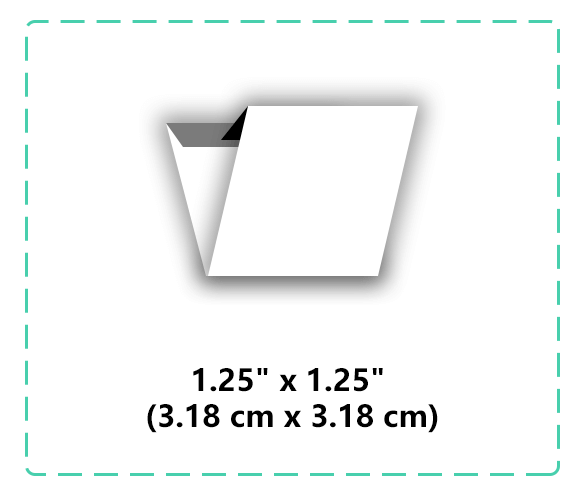
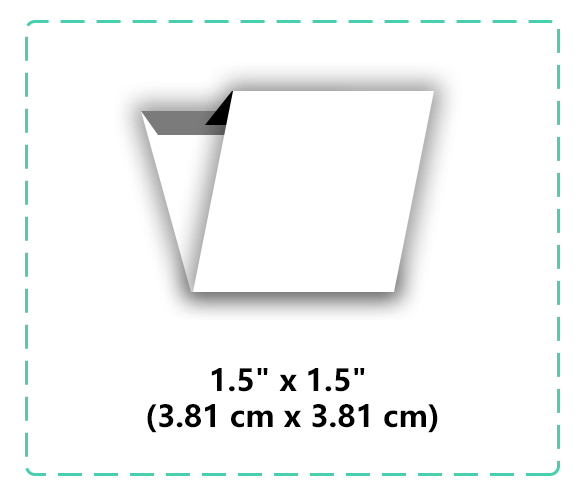
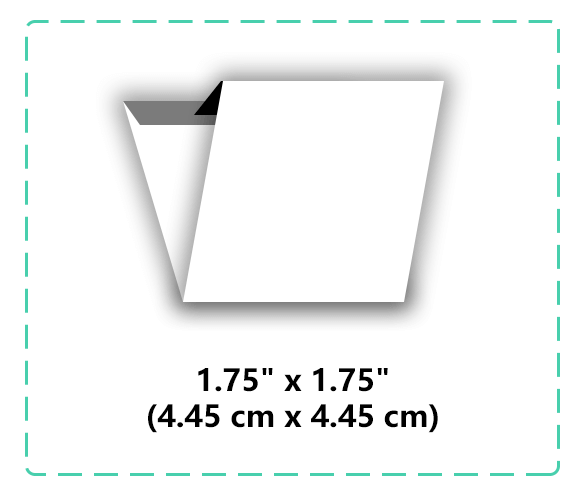
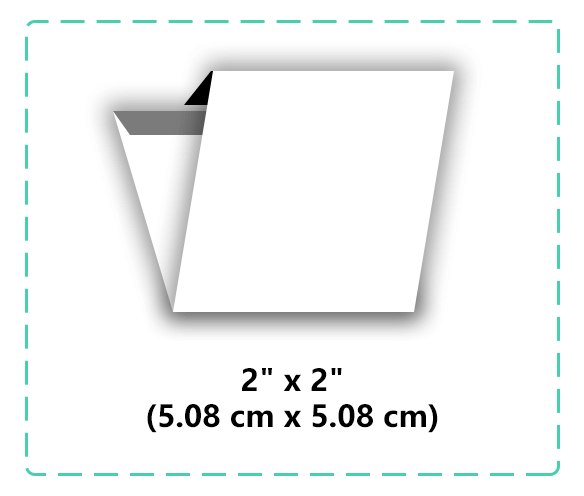
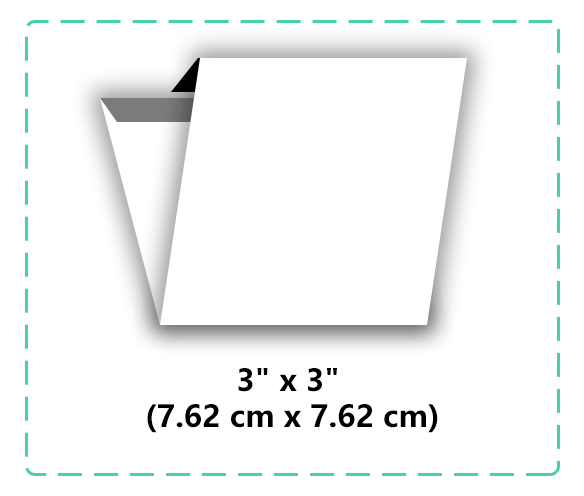
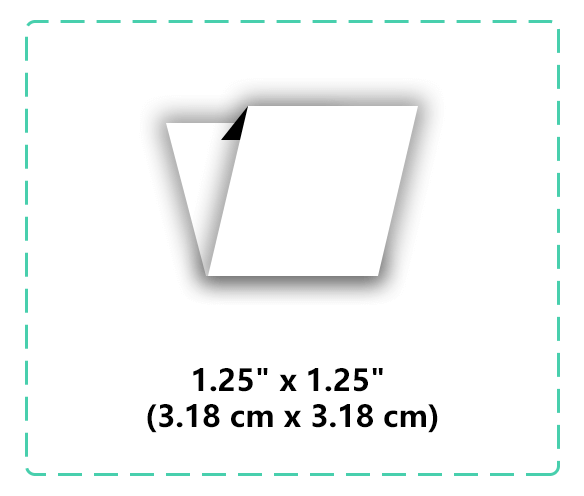
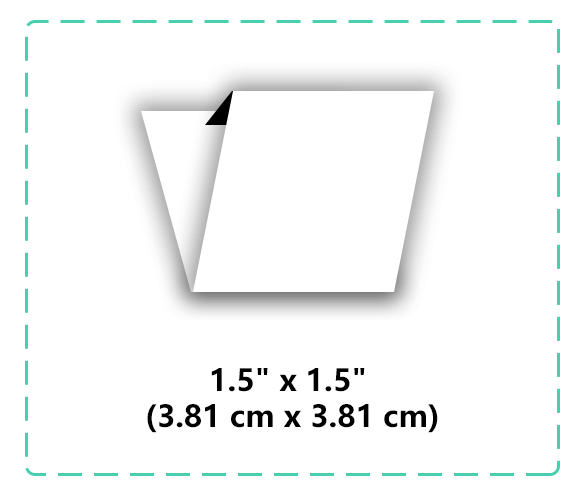
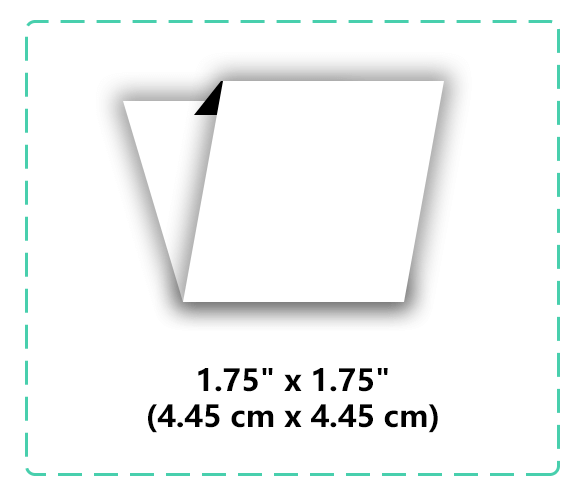
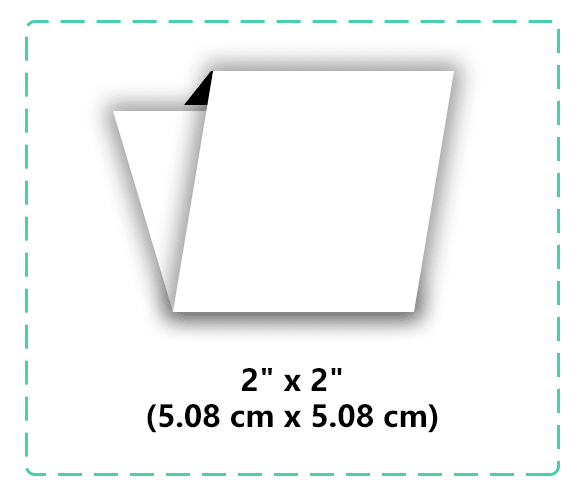
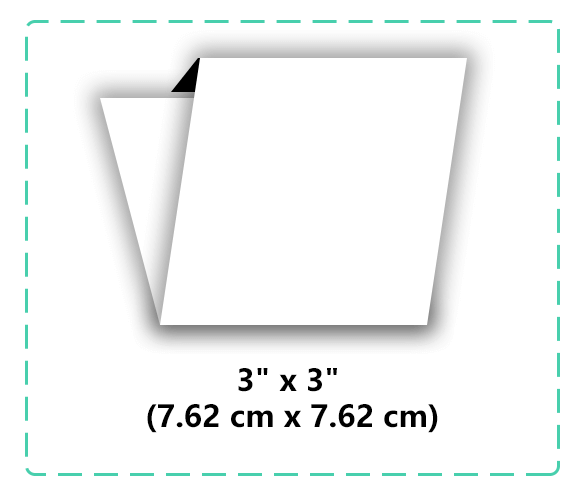
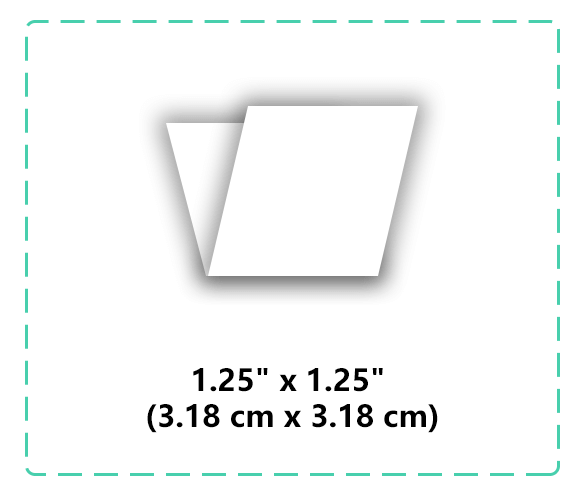
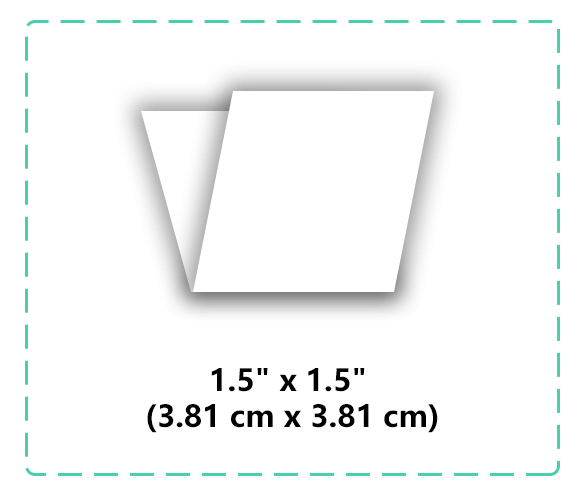
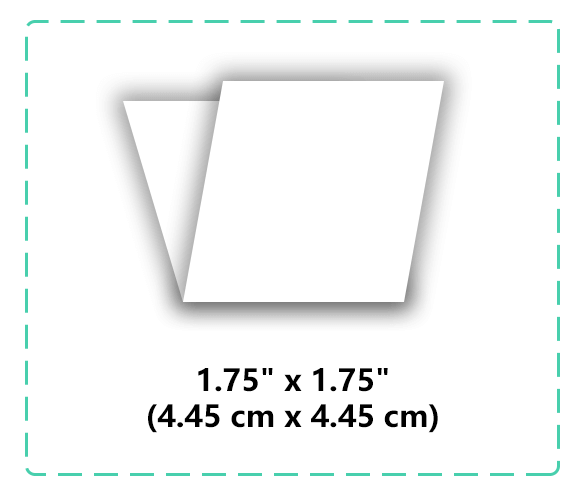
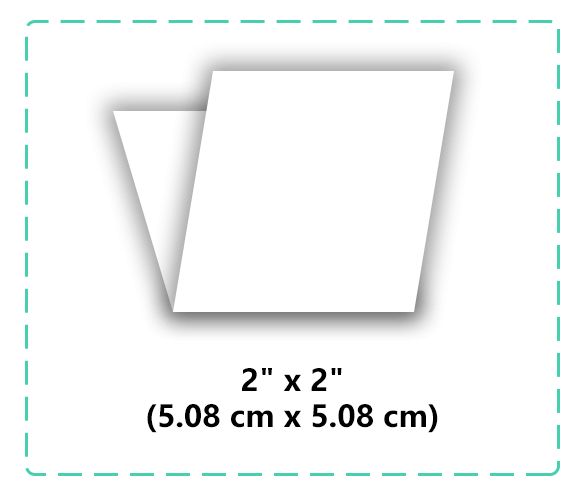
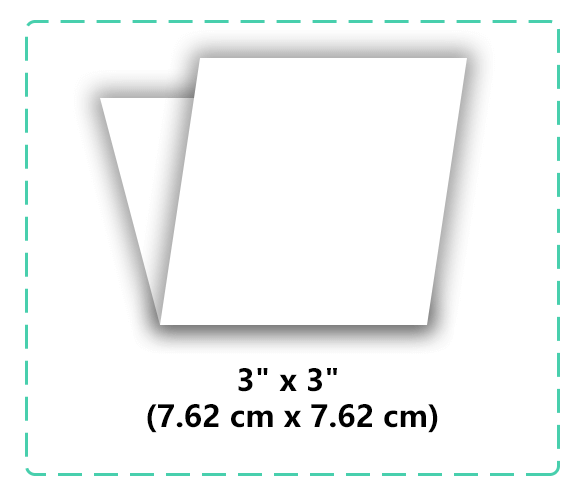
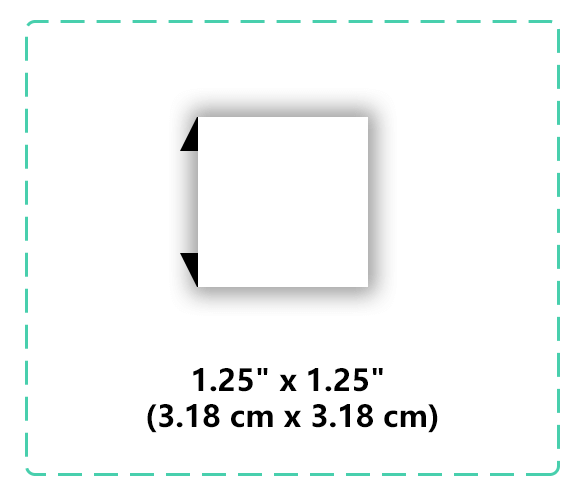
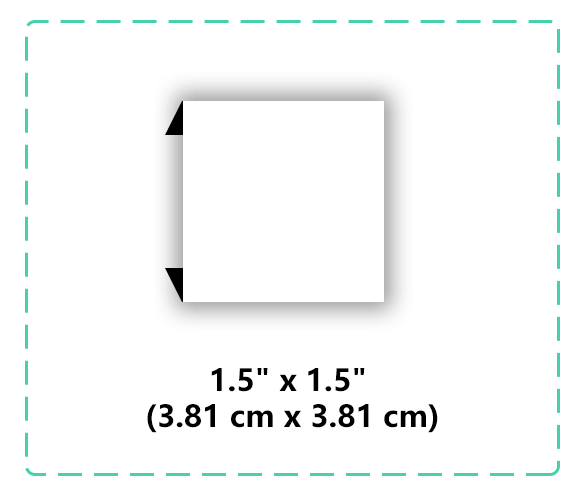
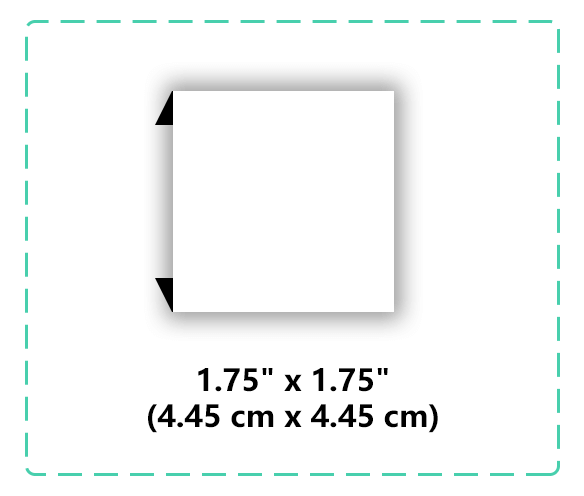
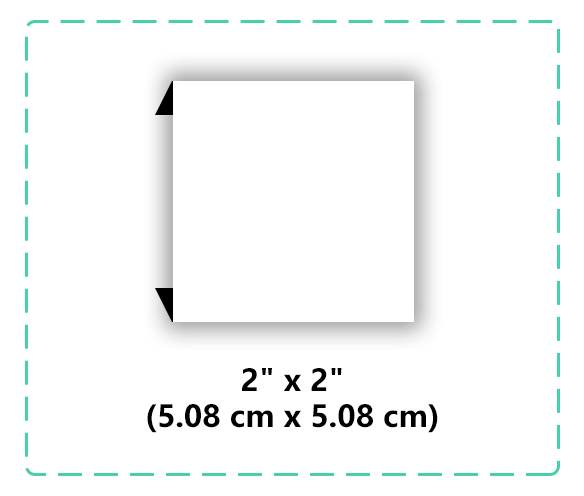
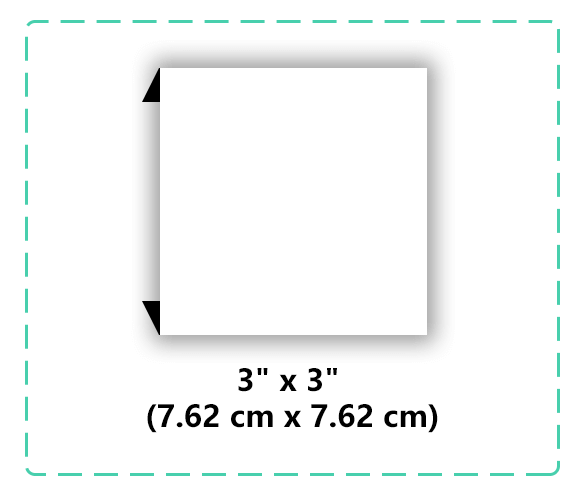
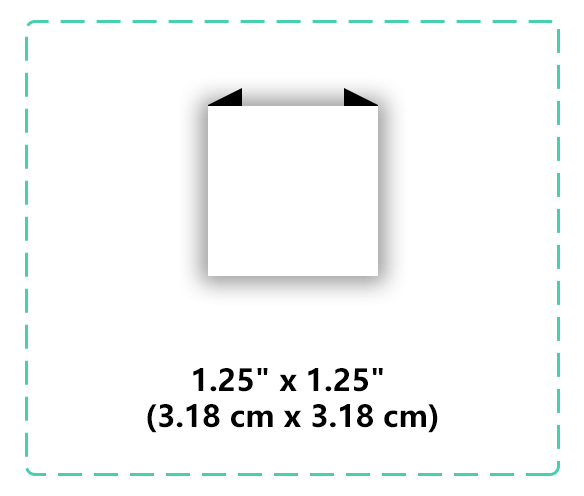
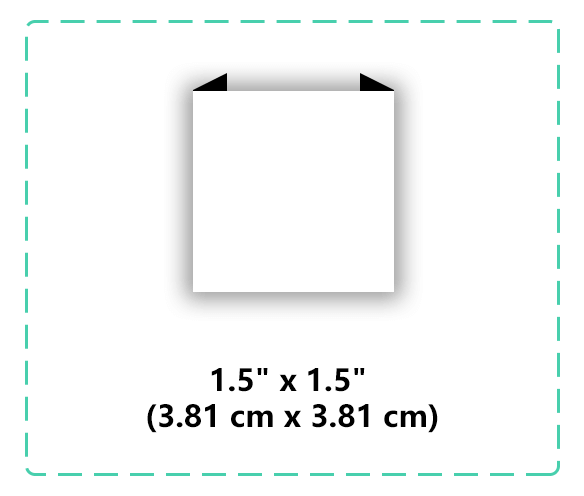
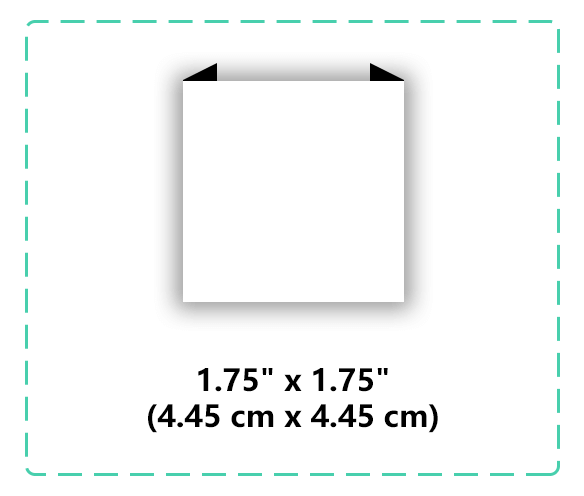
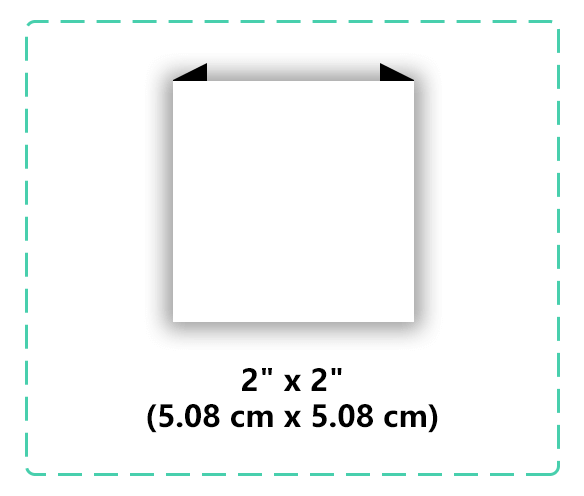
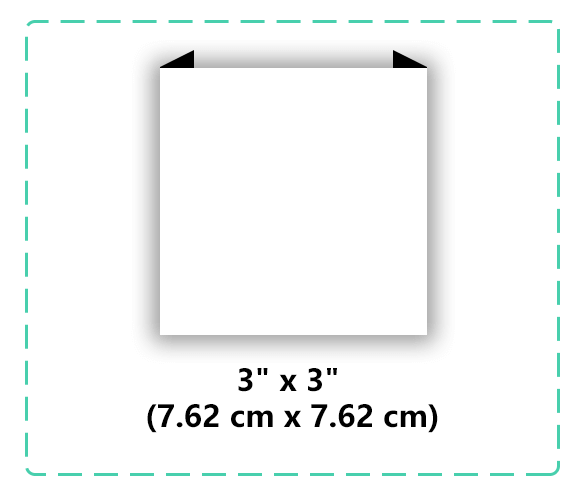
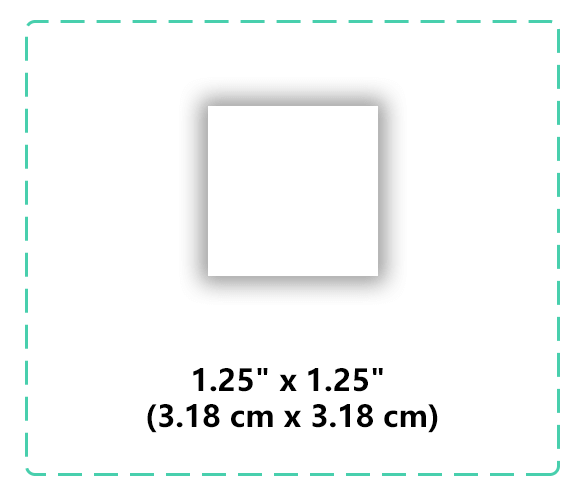
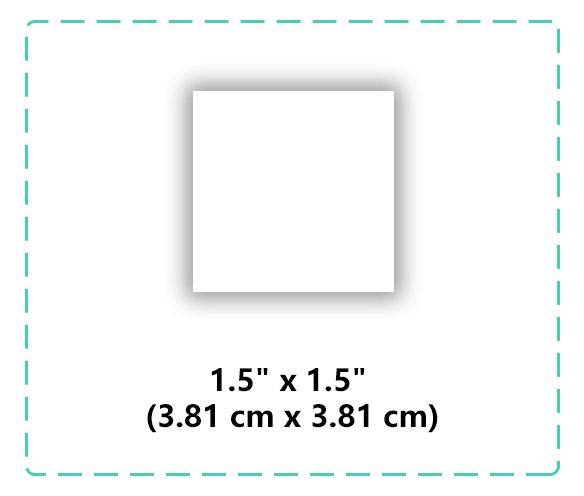
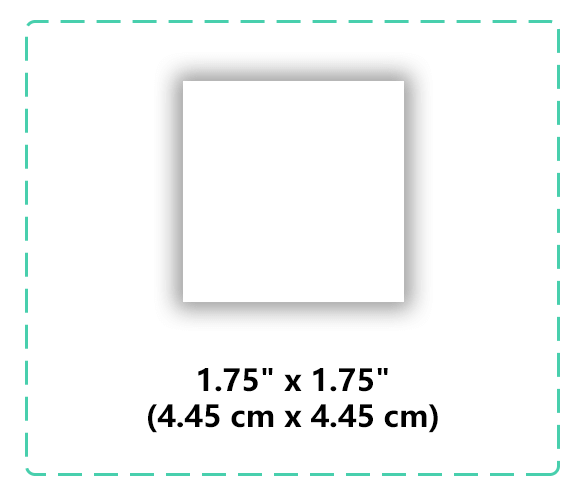
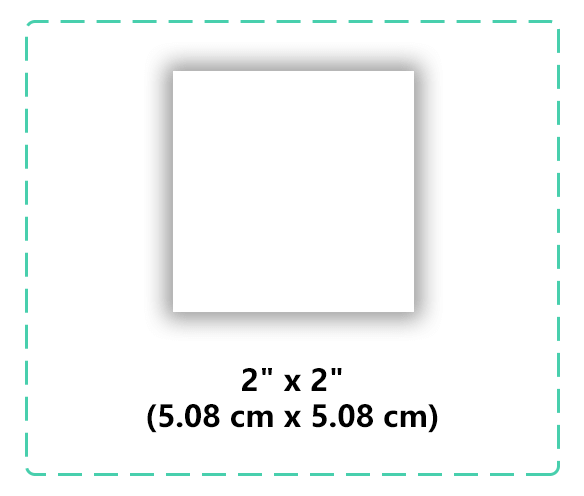
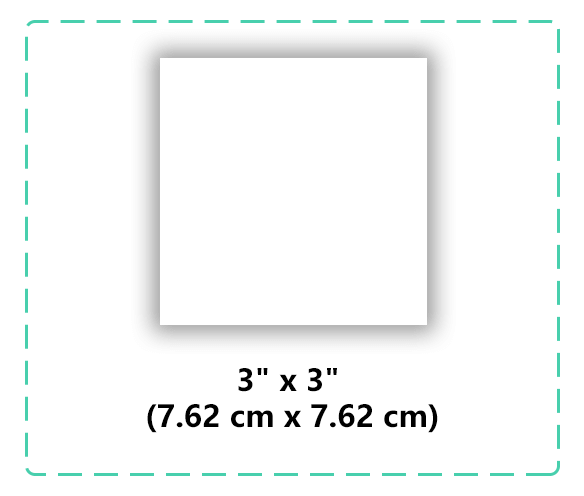
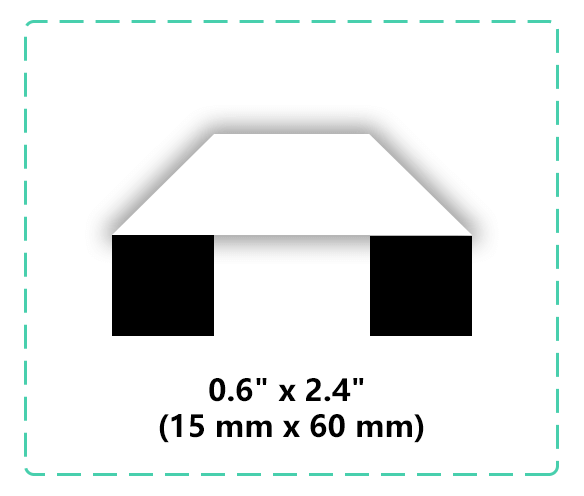
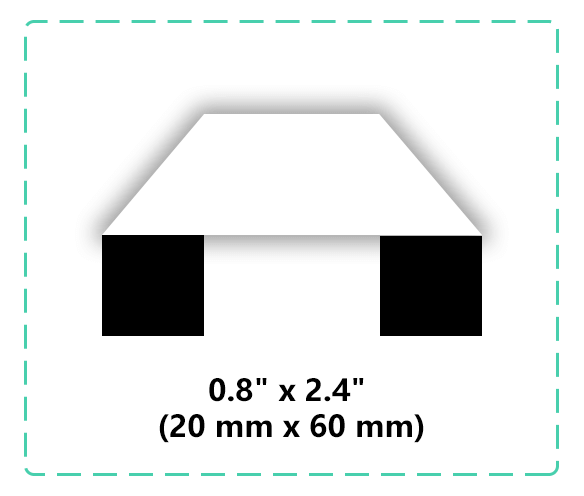
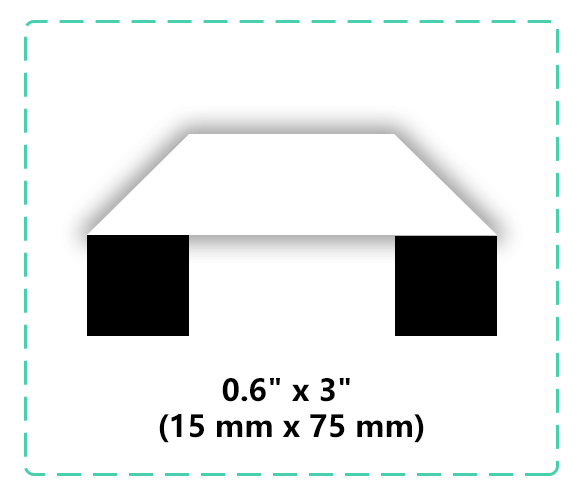
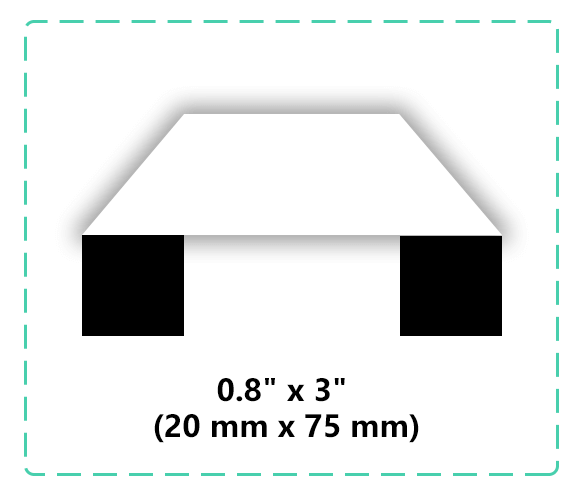
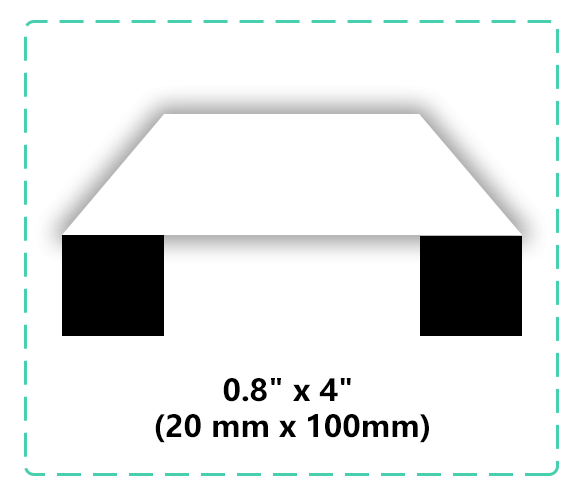
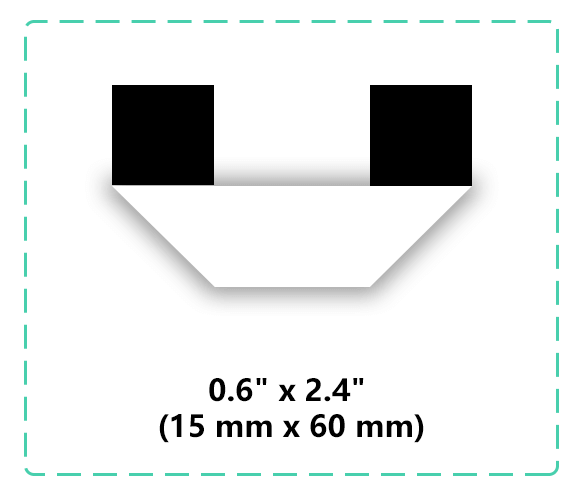
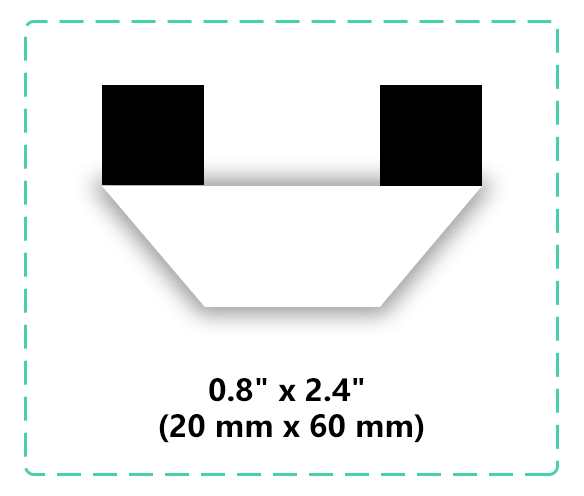
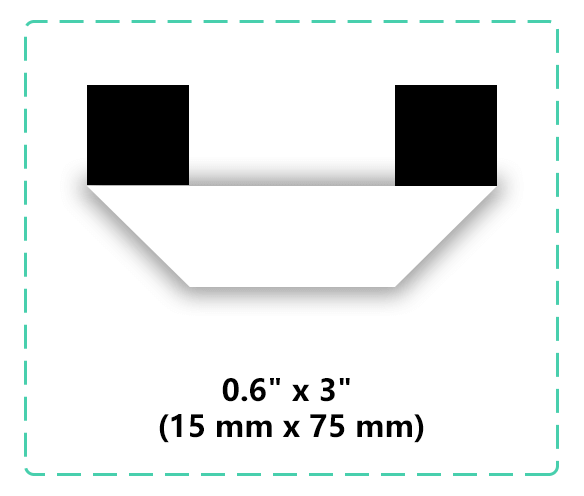
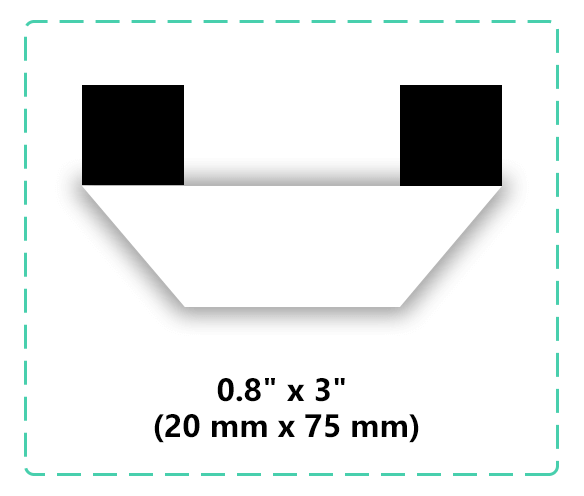
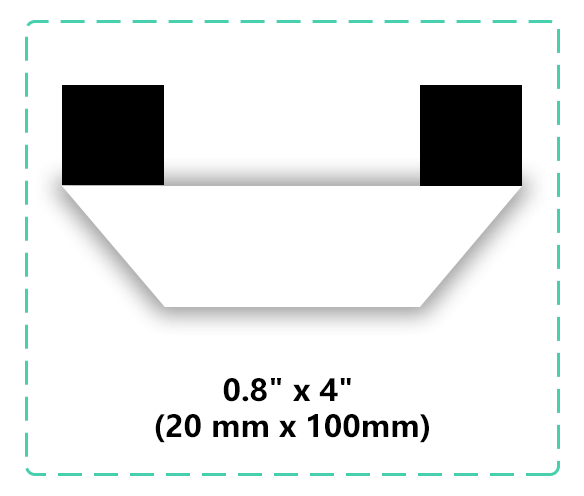
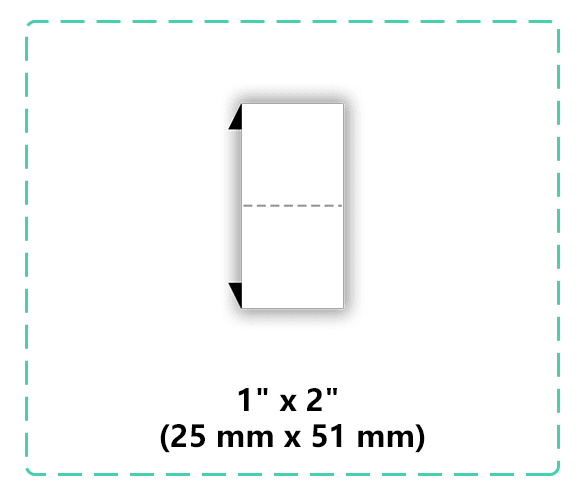
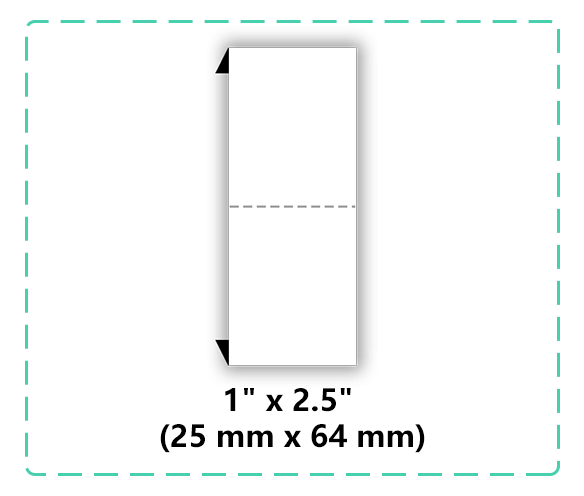
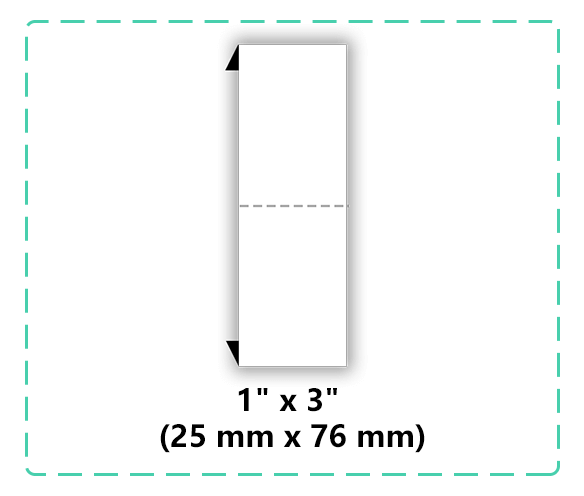
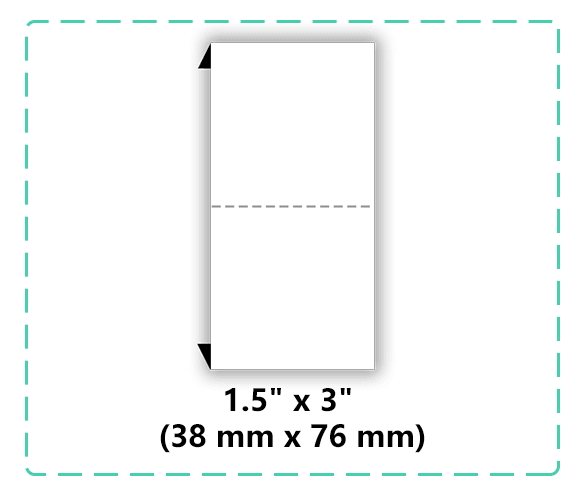
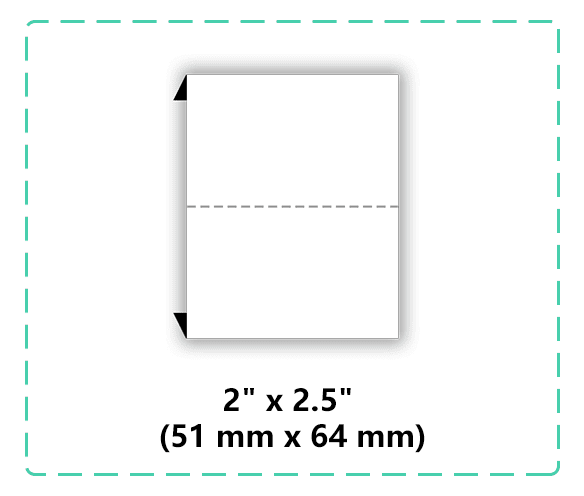
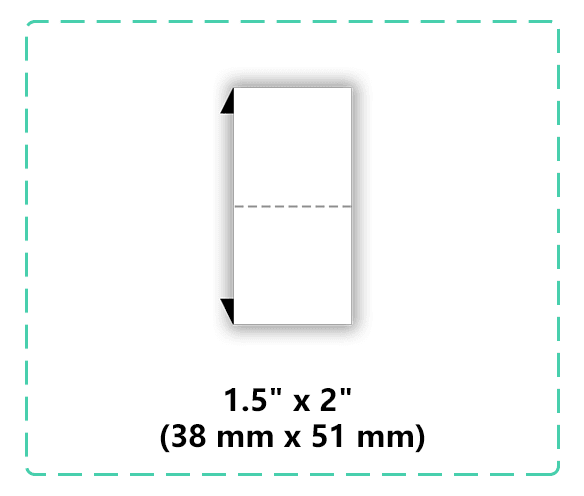
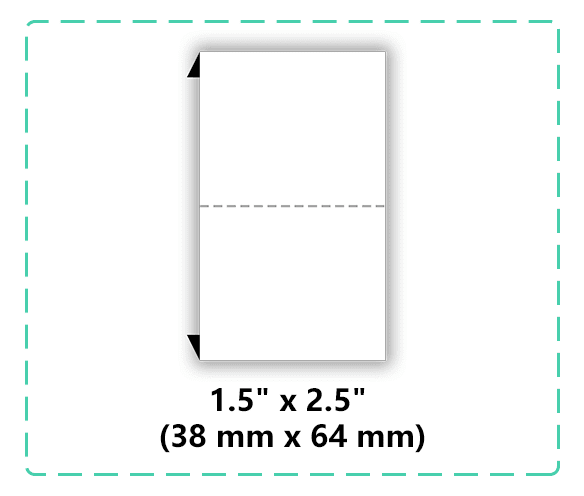
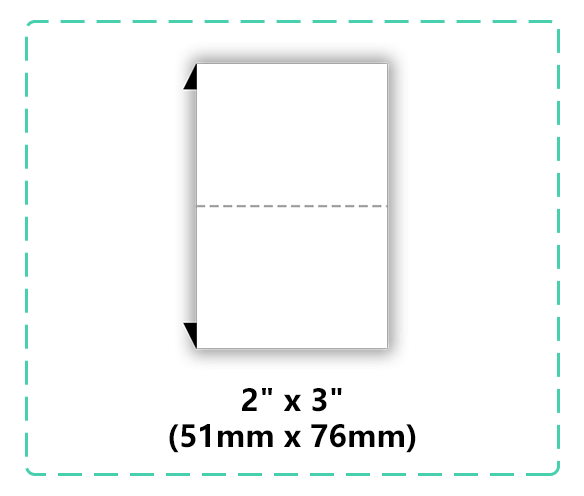
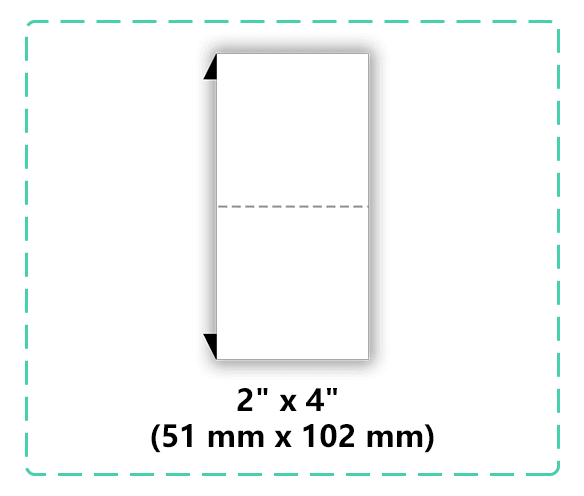
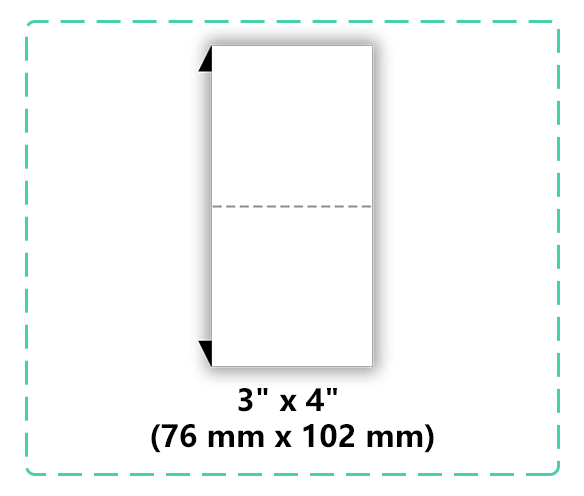
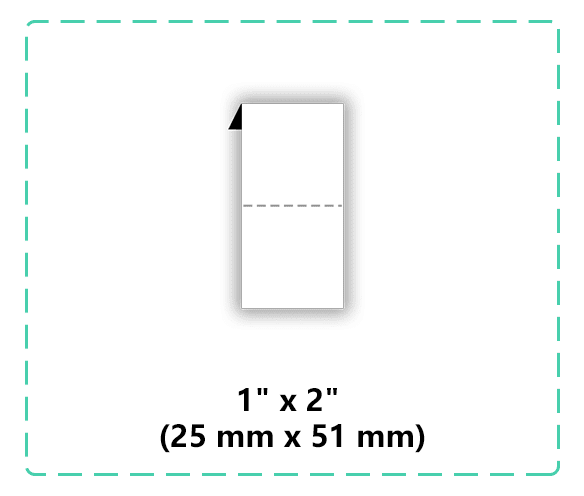
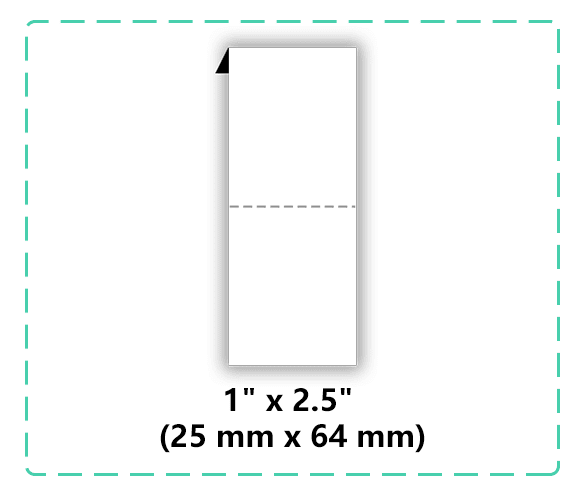
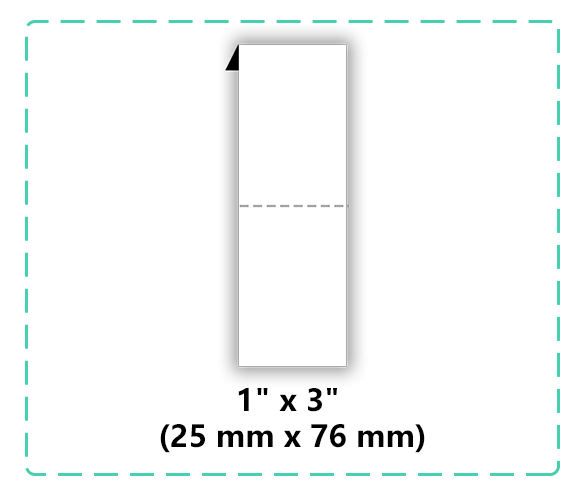
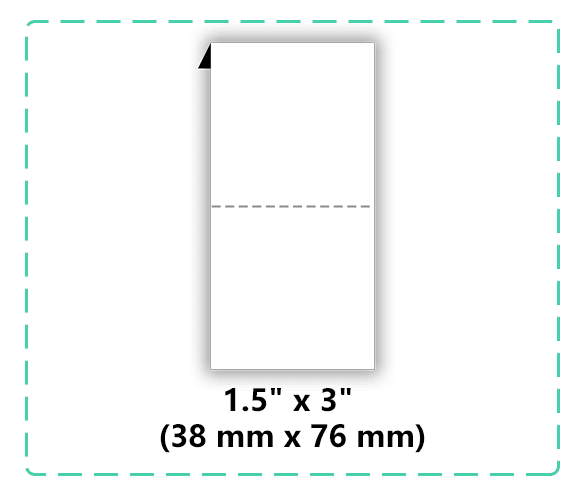
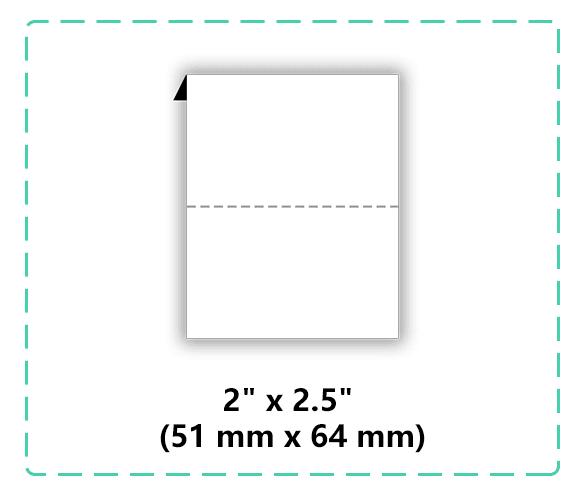
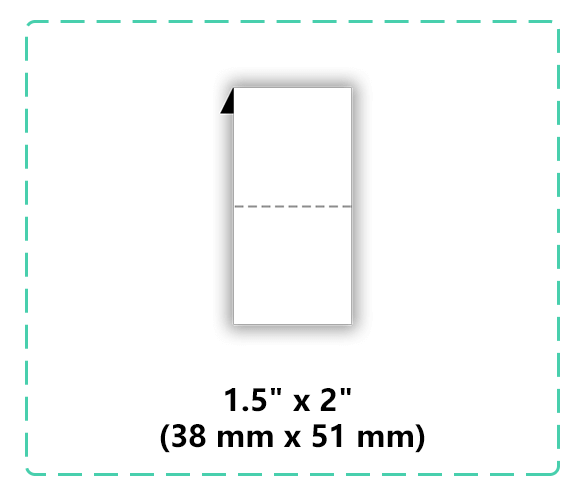
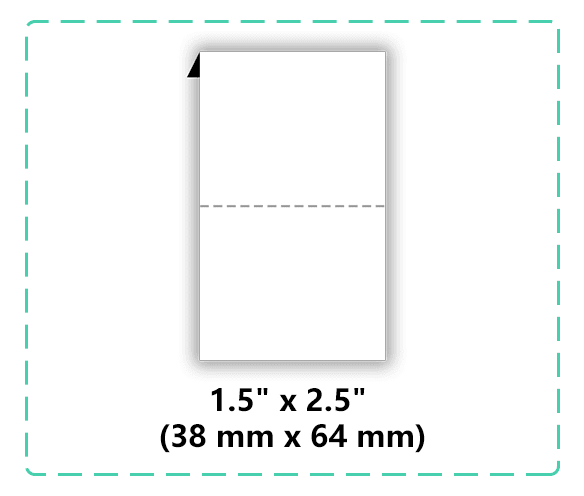
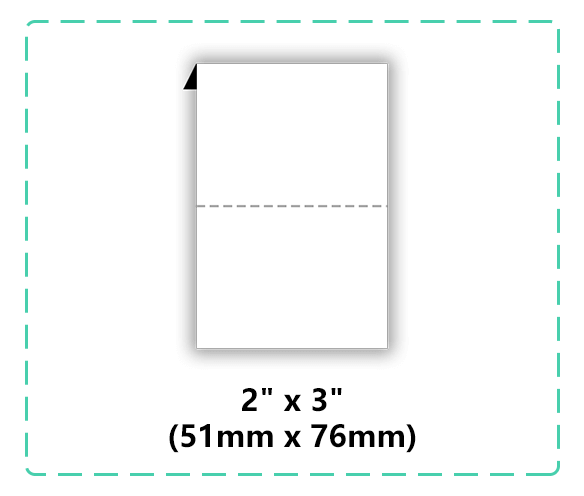
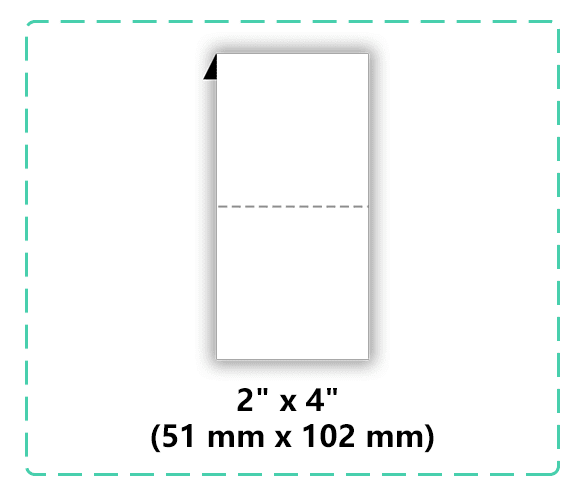
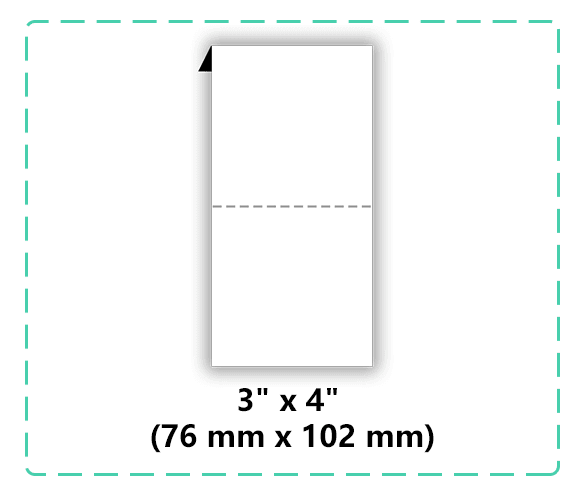
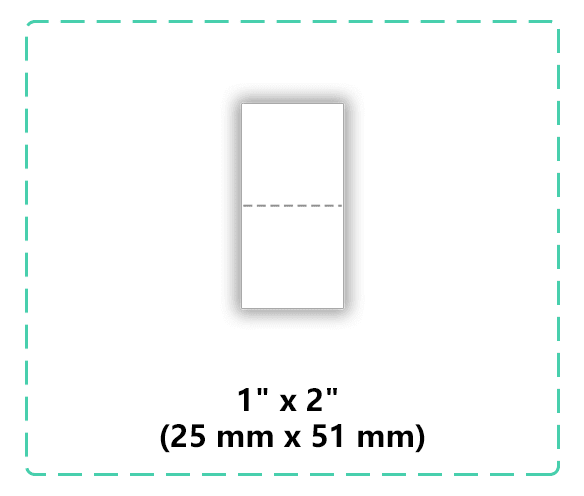
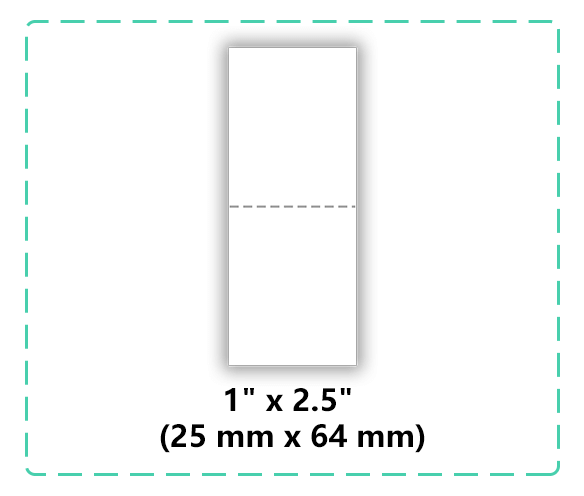
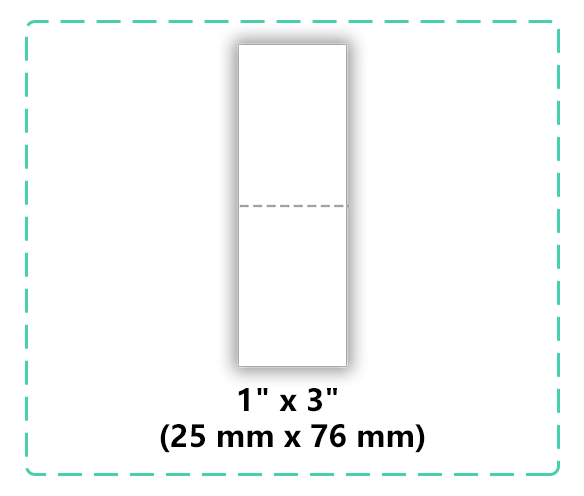
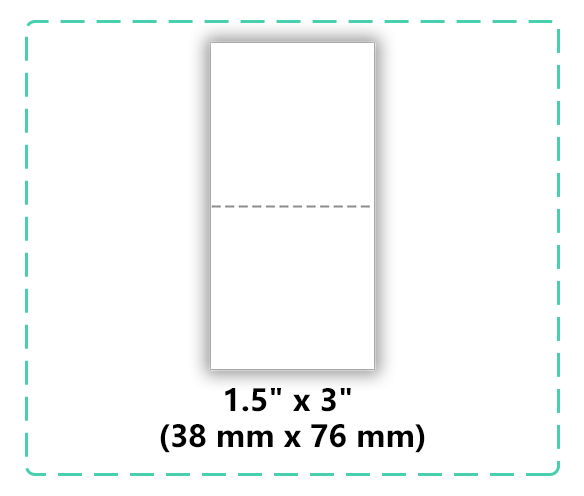
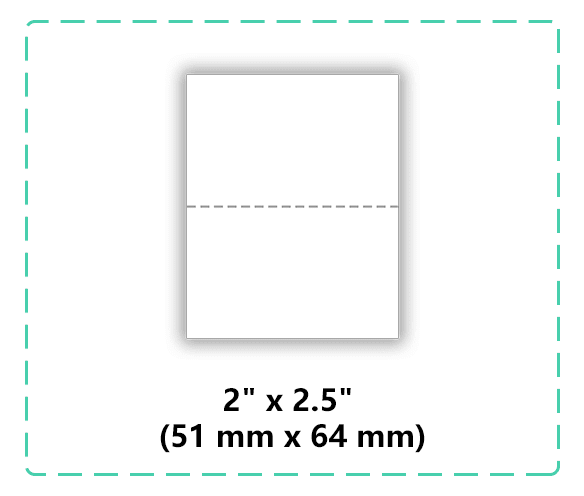
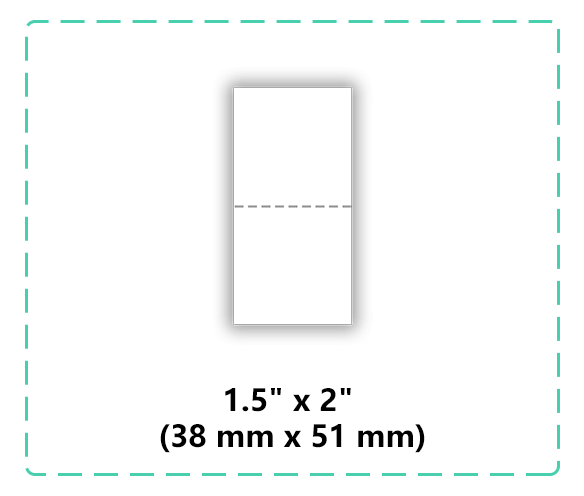
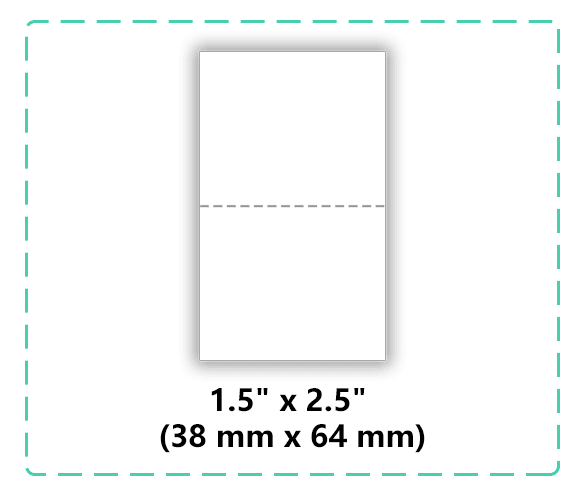
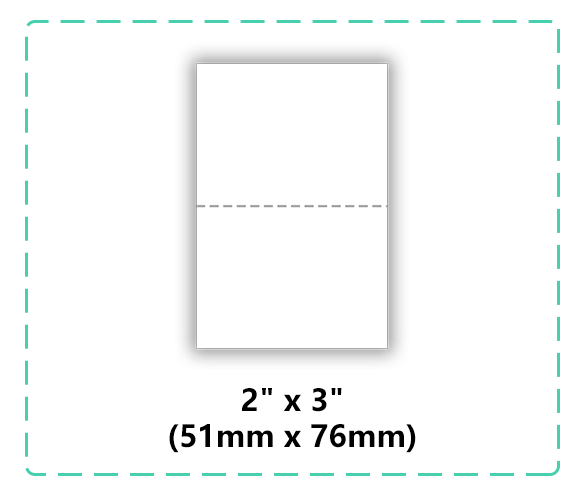
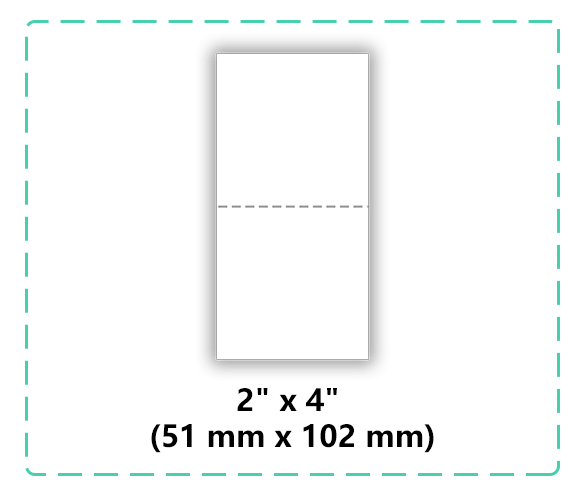
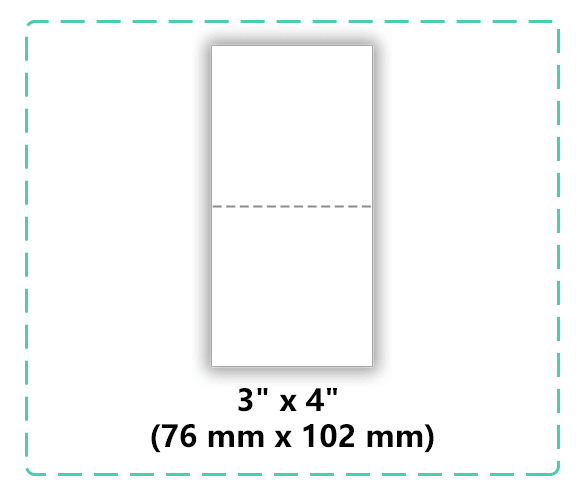
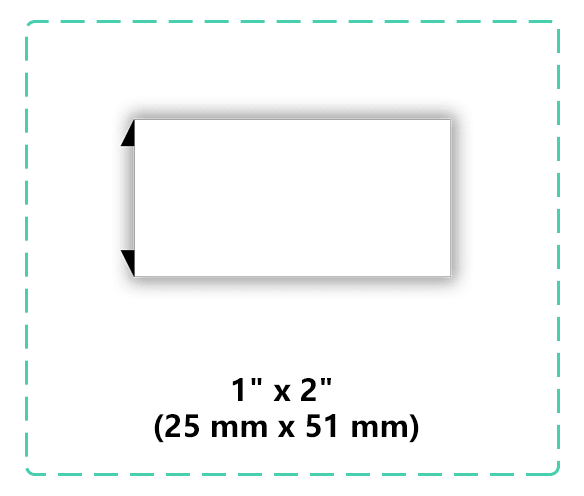
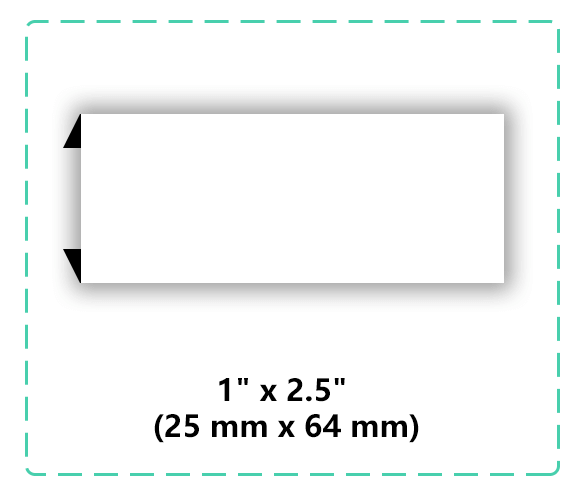
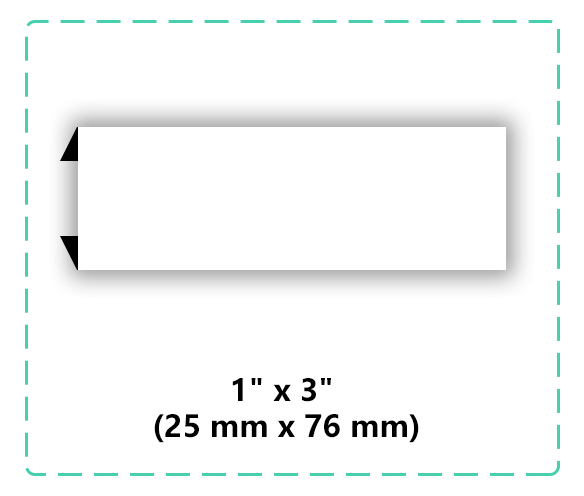
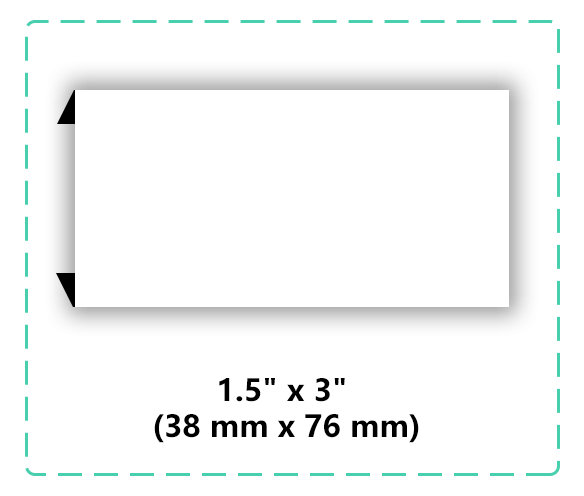
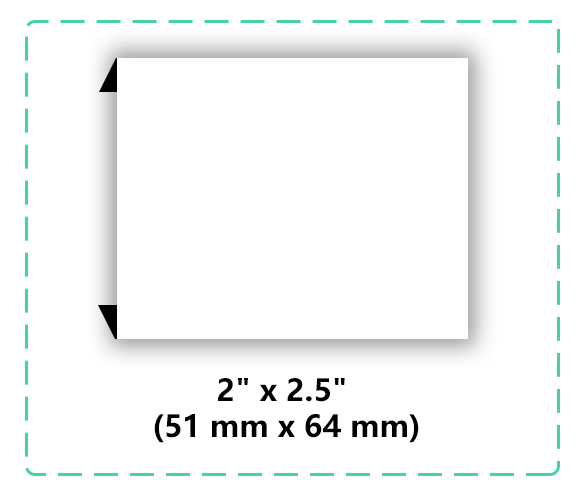
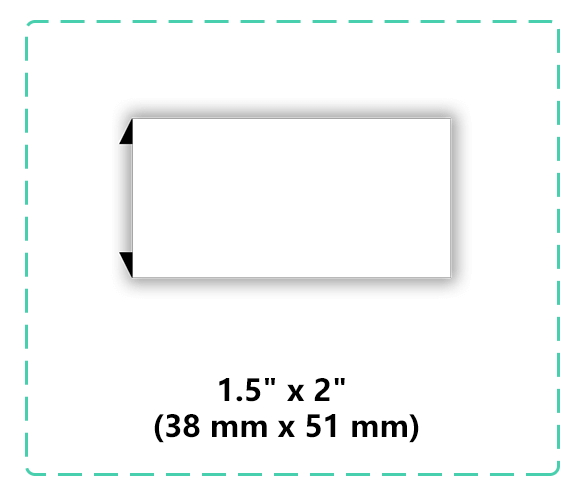
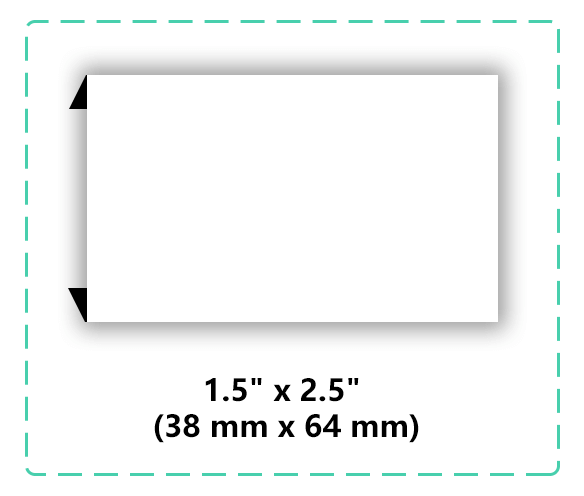
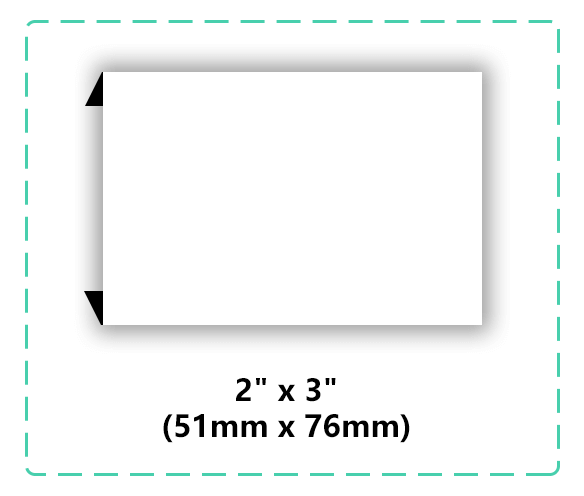
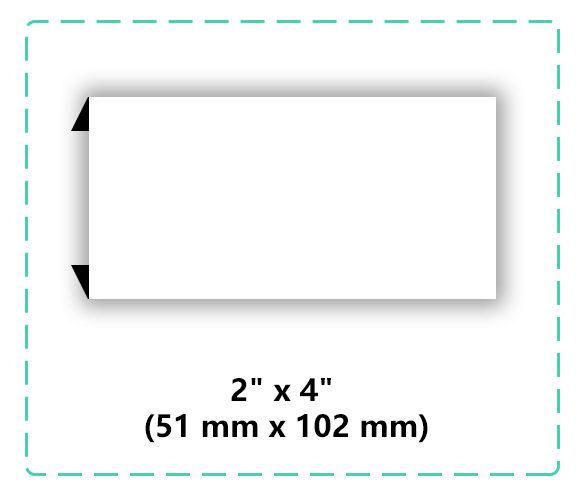
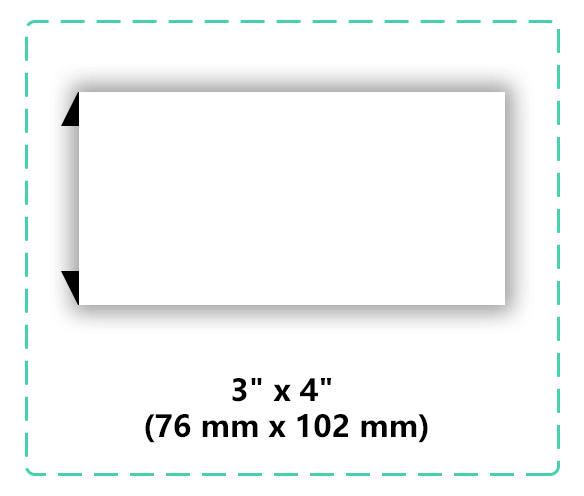
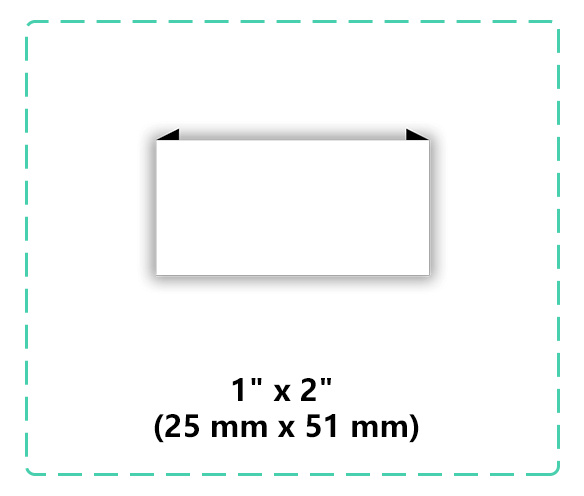
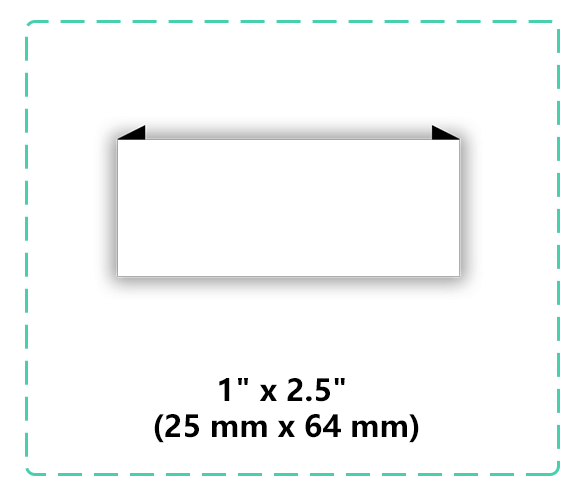
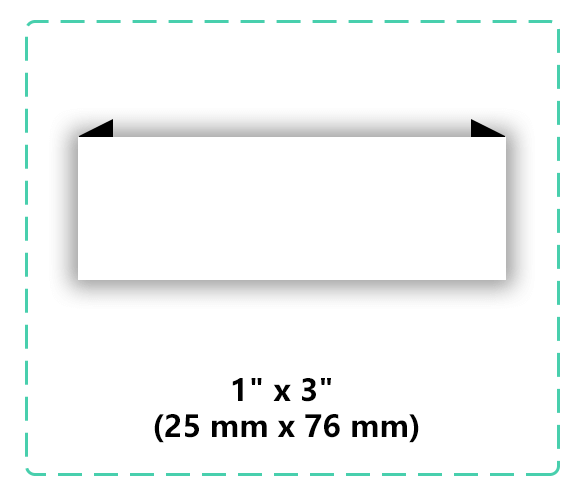
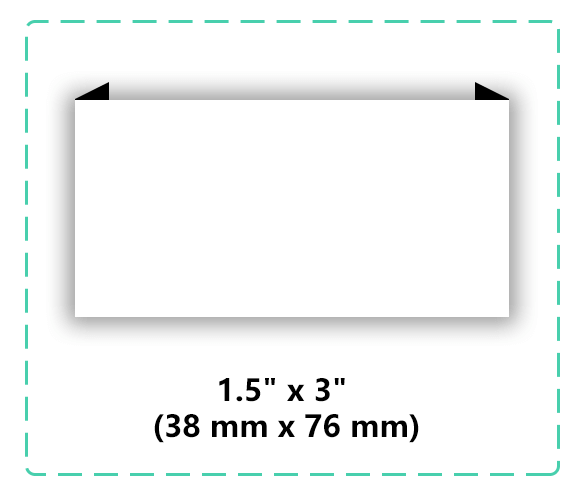
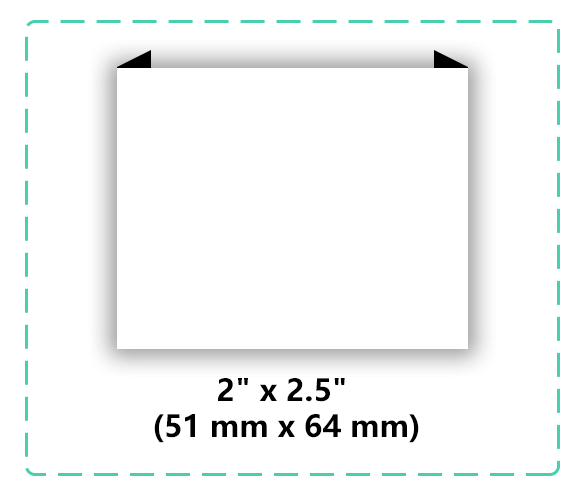
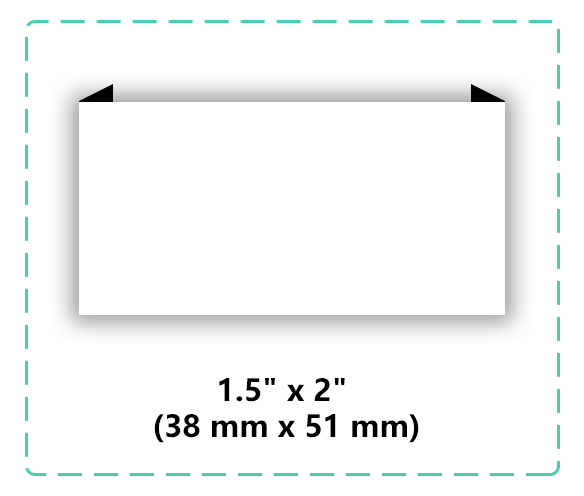
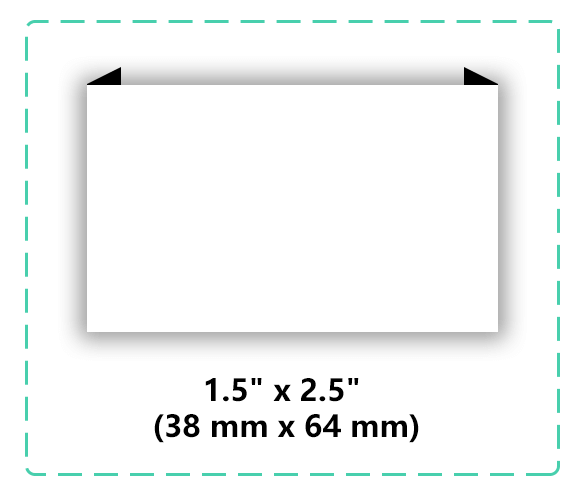
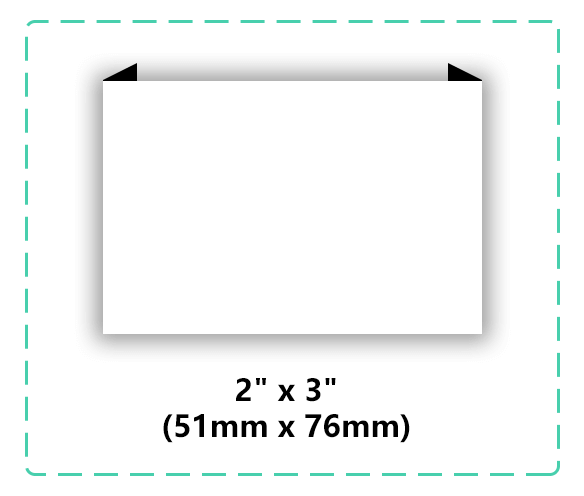
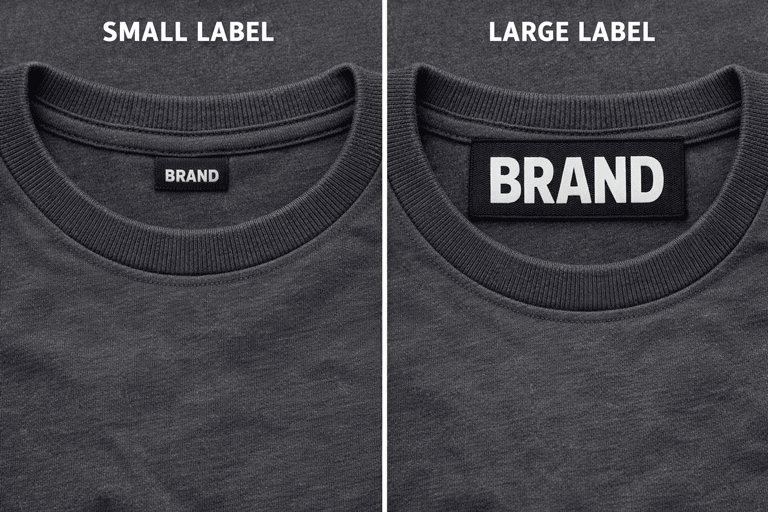
Label size is one of the basic specifications used when calculating a woven label quote.
A larger finished label generally requires more material and may require more production time, but size should not be considered on its own. Artwork detail, fold type, quantity, and construction can also affect the final cost.
When requesting a quote, make sure the size refers to the finished label size.
For folded labels, it is also helpful to confirm whether the dimensions you provide are:
Finished size after folding
Unfolded size before folding
Total width and height including fold areas
Providing the correct dimensions helps avoid quote differences and production revisions later.
The goal is not simply to make the label smaller to reduce cost. The label should still provide enough space for the logo, text, and other design elements to remain clear after production.
If you are unsure what size fits your garment or placement, see our:
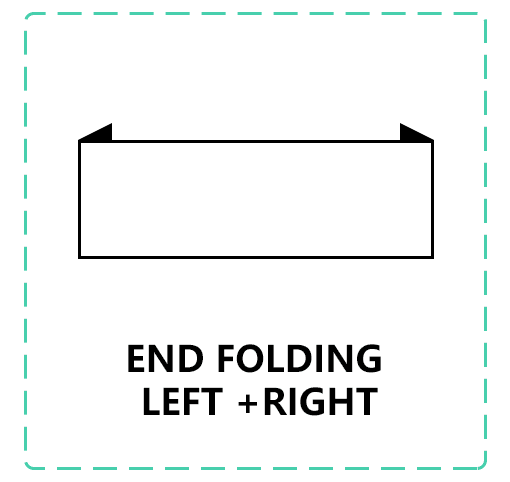
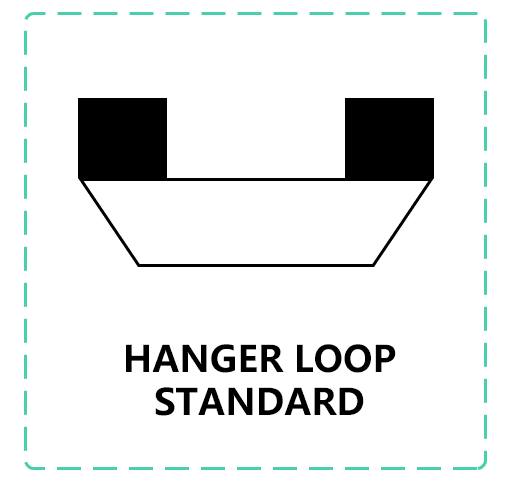
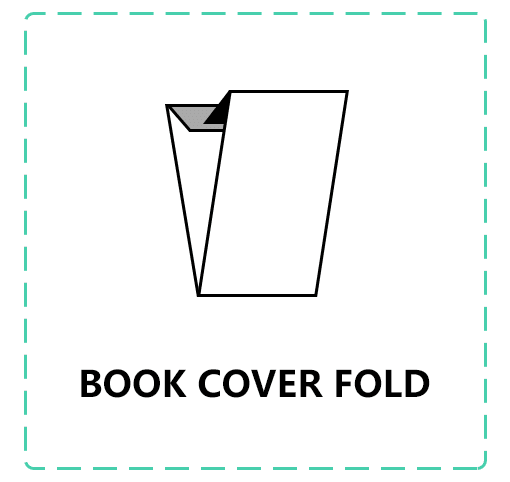
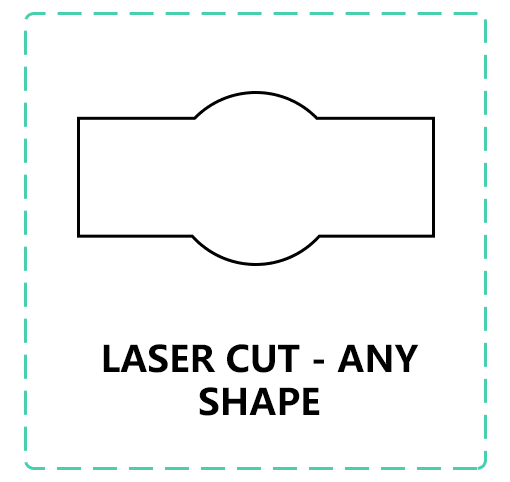
2. Fold Type and Finishing
Fold type can affect the production and finishing steps required for a woven label.
Common options include:
Straight cut
End fold
Center fold
Mitre fold
Manhattan fold
Other custom finishing options
Different folds may require different cutting, folding, finishing, or handling processes. The cost difference depends on the finished size, quantity, construction, and production requirements rather than the fold name alone.
For example, a simple straight-cut label and a folded neck label may require different finishing steps even if the artwork and overall dimensions are similar.
When requesting a quote, provide the fold type if you already know it. If you are unsure, tell us where the label will be attached and how you want it to sit on the garment. We can review the application and suggest a practical option.
For examples of common fold types, see our:
3. Weaving Construction & Detail Requirements
The level of detail in your artwork can affect how a woven label needs to be produced.
Designs with small text, thin lines, detailed logos, or closely spaced elements may require adjustments to the label size, thread setup, or weaving construction to reproduce the artwork clearly.
Factors that may affect production requirements include:
Finished label size
Small text or fine lines
Logo complexity
Thread thickness and setup
Number and placement of design elements
Required level of detail
A more detailed design does not automatically mean that the label simply needs the “highest density” possible. The appropriate construction depends on the artwork and how it needs to appear at the finished size.
In some cases, slightly increasing the label size or simplifying very fine details can produce a clearer result without adding unnecessary production complexity.
If your artwork contains small text or intricate details, send the original file with your quote request so the design can be reviewed before production.
4. Number of Colors & Design Complexity
Artwork complexity can affect the production setup required for a woven label.
Factors that may influence the quote include:
Number of thread colors
Small or closely spaced design elements
Fine outlines or detailed logos
Large areas of contrasting colors
Multiple design versions within the same order
A simple two-color logo may require less setup than a design with several colors and very fine details, but color count should not be considered on its own.
The finished size, artwork structure, thread setup, and quantity all work together when determining production requirements.
For the most accurate quote, send the original artwork whenever possible. This allows the design to be reviewed before pricing rather than estimating complexity from a low-resolution image or mockup.
5. Quantity
Quantity is another important factor in woven label pricing.
Higher quantities often reduce the unit cost because production setup is spread across more pieces. However, the lowest unit price is not always the best choice if it means ordering significantly more labels than you actually need.
When choosing a quantity, consider:
Current production needs
Expected reorder frequency
Number of garment sizes or variations
Storage requirements
Cash flow
Whether the design may change soon
For new brands, test runs, or seasonal products, a smaller quantity may be more practical even if the unit cost is slightly higher.
For larger or repeat orders, higher quantities may offer better unit efficiency.
UPPERLABELS supports low-MOQ custom orders depending on the label specifications and production requirements. If you are unsure which quantity makes sense, send us your estimated needs and we can help you compare practical options.
Need Help Estimating Cost?
Not Sure What Your Woven Labels Will Cost?
Send us the specifications you already know — such as your artwork, finished size, quantity, fold type, and shipping country. We can review the details and provide a quote based on the actual production requirements.
✓ Low-MOQ options available depending on specifications
✓ Quote based on size, quantity, fold, artwork, and production requirements
✓ Unsure about a specification? Send what you know and we can review it first
Why Two Similar Woven Label Quotes Can Be Different
Two woven label quotes can look very different even when the artwork appears similar.
The difference may come from specifications that are not obvious in a product photo or mockup, such as:
Finished label size
Quantity
Fold and finishing requirements
Artwork complexity
Thread color setup
Production construction
Sample requirements
Shipping method and destination
Delivery timeline
This is why comparing only the total price or unit price can be misleading.
Before deciding which quote offers better value, check whether both suppliers are quoting the same:
Finished dimensions
Quantity
Fold type
Artwork version
Finishing requirements
Shipping terms
Production scope
A lower price is not automatically a worse option, and a higher price does not automatically guarantee a better result.
The most useful comparison is based on matching specifications and a clear understanding of what is included in the quote.
Where You Can Save Without Creating Production Problems
Reducing cost does not always mean reducing quality.
In many cases, the most effective savings come from simplifying specifications that do not add much value to the finished label.
You may be able to reduce unnecessary cost by reviewing:
Oversized label dimensions
Extra design elements that are difficult to reproduce at a small size
More thread colors than the artwork really needs
Complex folds or finishing that are not required for the garment
Quantities that are much higher than your actual production needs
However, cost should not be reduced by making the artwork difficult to read or by choosing specifications that do not suit the garment.
Before changing the design only to lower the price, consider whether the adjustment affects:
Logo clarity
Text readability
Finished label size
Placement
Sewing or attachment method
Overall appearance on the garment
The goal is to find a practical balance between cost, design, and production requirements rather than simply choosing the cheapest possible specification.
How UPPERLABELS Approaches Pricing
UPPERLABELS uses a quote-based pricing process because each custom woven label order can have different production requirements.
When reviewing a quote request, we consider factors such as:
Finished label size
Quantity
Fold and finishing requirements
Artwork complexity
Thread color setup
Production requirements
Shipping destination
Delivery timeline
If some specifications are still uncertain, you can send the artwork and the details you already know. We can review the setup before providing a more accurate quote.
Our goal is to keep the quote clear and practical, so you understand what the price is based on before moving forward with proofing or production.
Low-MOQ options are available depending on the label specifications and production requirements.
FAQs
How much do custom woven labels usually cost?
There is no single standard price because woven labels are made to specification. The quote can vary based on finished size, quantity, fold and finishing, artwork complexity, production requirements, and shipping destination.
For a more accurate quote, send the specifications you already know together with your artwork.
Why can two suppliers quote different prices for a similar woven label?
The specifications may not actually be identical.
Differences in finished size, quantity, fold type, finishing, artwork setup, production requirements, shipping, or what is included in the quote can all affect the final price.
Compare matching specifications before comparing unit prices.
Does ordering more woven labels reduce the unit price?
Higher quantities often reduce the unit cost because production setup is spread across more pieces.
However, the most economical quantity depends on your actual production needs, future reorders, design changes, and inventory requirements.
Does a higher weaving density always mean a better woven label?
Not always.
The appropriate weaving construction depends on the artwork, finished label size, text and logo detail, placement, and intended use.
A suitable production setup is more important than simply choosing the highest possible density.
Ready for a More Accurate Quote?
Send Us Your Woven Label Specifications
Share your artwork, finished size, quantity, fold type, and shipping country. If some details are still uncertain, send what you already know and we can review the setup before quoting.