Worldwide Shipping · Get a Custom Quote


What Is the Best Woven Label Size for Different Garments?

Choosing the right woven label size is one of the most important parts of custom label planning. A label that is too small may make your logo or text hard to read, while a label that is too large can feel bulky or look out of place on the garment.
The best woven label size depends on three things: where the label will be placed, how much information needs to fit on it, and what overall look you want for the product. A small side-seam label and a main neck label usually need very different dimensions.
In this guide, we’ll walk through common woven label sizes for different garments and explain how to choose a practical size for your design.
Why Woven Label Size Matters
Woven label size affects more than appearance. It also influences readability, sewing comfort, and how professional the finished product looks.
A well-sized label should:
- fit the garment proportionally
- leave enough room for your logo or text
- feel comfortable against the skin
- match the fold style and application method
For example, a simple brand name can work well on a smaller label, while a logo with extra wording may need a wider or taller format to stay clear after weaving.
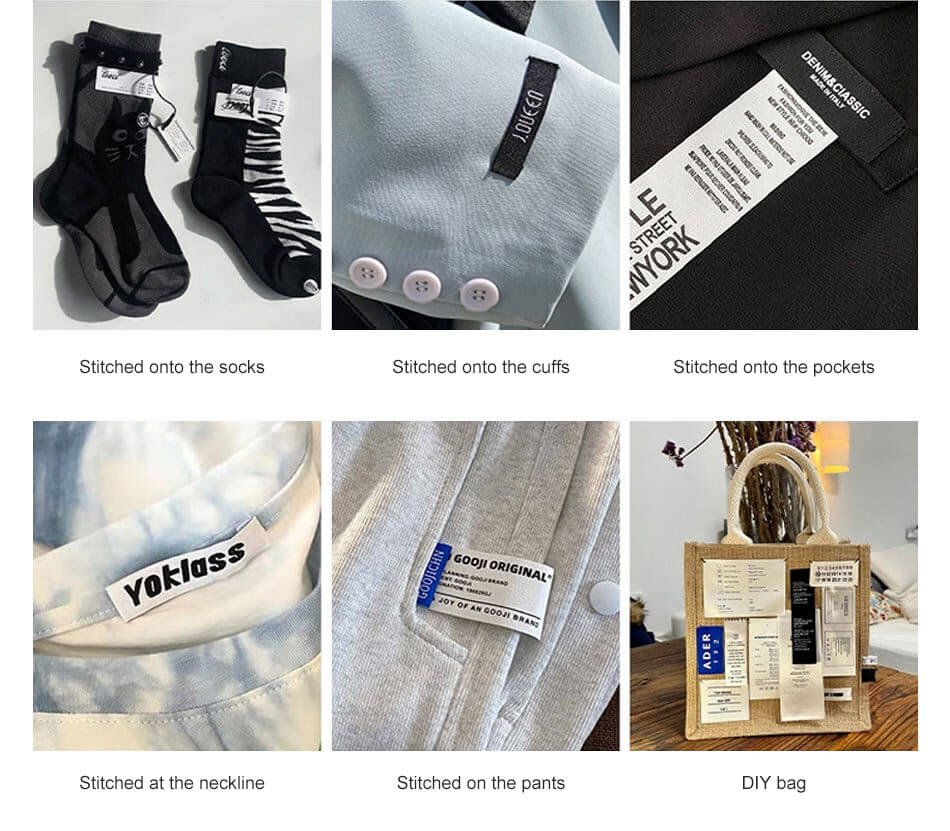
Common Woven Label Sizes at a Glance
Here are some practical starting points often used for different applications:
| Garment / Use | Common Size | Best For |
|---|---|---|
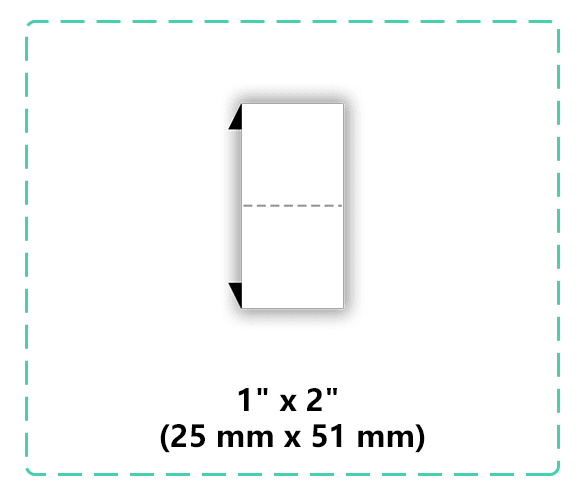
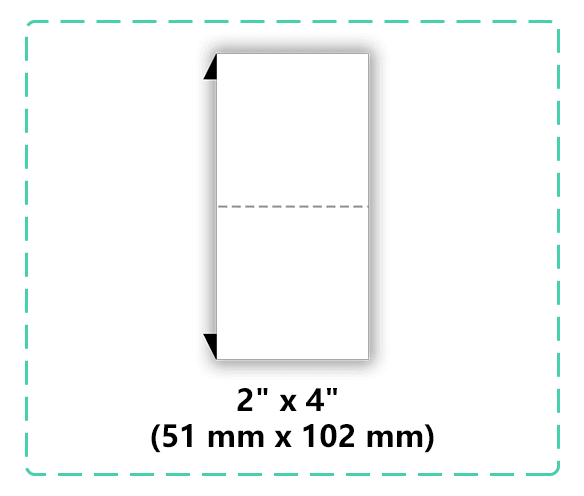
| Adult T-shirt neck labels | 50 × 25 mm | Main brand labels with logo and text |
| Hoodies / sweatshirts | 50 × 25 mm or 60 × 20 mm | Slightly more visible branding |
| Side seam labels | 40 × 15 mm or 45 × 15 mm | Minimal branding or small logo |
| Baby and kidswear | 35 × 15 mm or 40 × 15 mm | Soft, compact labels |
| Handmade items / accessories | 30 × 15 mm, 40 × 20 mm | Small branding on bags, hats, crafts |
| Larger brand statement labels | 60 × 25 mm or 70 × 25 mm | Bigger logo, clearer brand presence |
These are not strict rules, but they are useful starting points when you are not sure where to begin.
Best Woven Label Size for T-Shirts
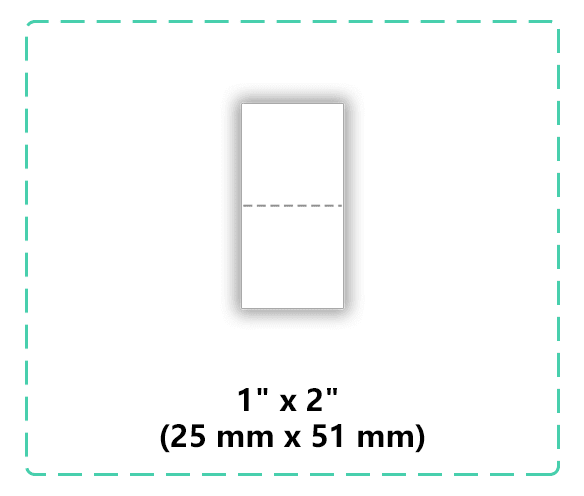
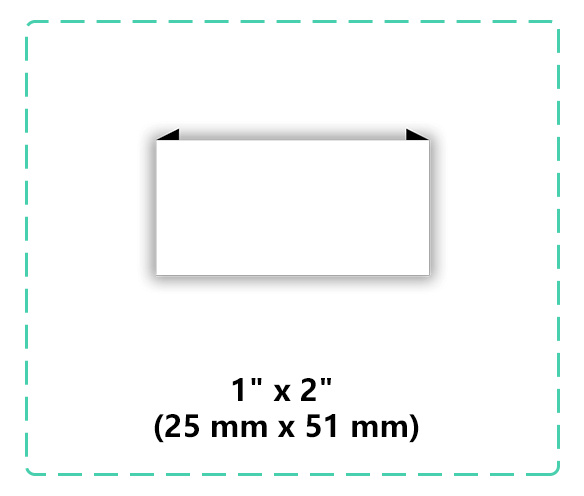
For most adult T-shirts, 50 × 25 mm is a practical standard size for a main neck label. It gives enough space for a brand name, a simple logo, and sometimes a short secondary line.
If your design is very minimal, such as a small wordmark only, you may be able to go smaller. But if you want the label to feel like a visible brand element rather than a tiny identifier, 50 × 25 mm is usually a safer choice.
For side seam branding on T-shirts, a smaller size such as 40 × 15 mm often works better.
Best Woven Label Size for Hoodies and Sweatshirts
Hoodies and sweatshirts usually handle slightly larger labels well because the fabric is thicker and the garment overall has more visual weight.
Good starting sizes include:
- 50 × 25 mm for a balanced neck label
- 60 × 20 mm for a wider, slightly more noticeable look
If your brand style is bold or your logo has wider proportions, 60 × 20 mm can look cleaner than trying to squeeze the design into a smaller format.
Best Woven Label Size for Baby Clothes
For baby clothing, comfort and softness matter more than label impact. Smaller labels are often the better choice.
Recommended starting sizes:
- 35 × 15 mm
- 40 × 15 mm
These sizes are usually enough for a simple brand name or small logo while keeping the label light and less intrusive. If the design has too much detail, it is better to simplify the artwork rather than force too much into a small woven area.
Best Woven Label Size for Side Seam Branding
Side seam labels are usually meant to be subtle. They work best when the size is compact and the design is simple.
A good range is:
- 40 × 15 mm
- 45 × 15 mm
These sizes are ideal for a short brand name, initials, or a very simple logo mark. If the label is folded into the seam, make sure the visible area after sewing is still enough for the design to remain clear.
Best Woven Label Size for Handmade Items and Accessories
For hats, bags, scarves, handmade goods, and craft products, the best label size depends heavily on the item itself.
Common options include:
- 30 × 15 mm for very small branding
- 40 × 20 mm for a balanced handmade-brand look
- 50 × 25 mm for larger, more visible labels
If the label will be part of the product presentation and not just identification, moving one size up often gives a more premium result.
Choose Size Together With Fold Style
Size should never be chosen alone. Fold style changes how much of the label is actually visible.
For example:
- Straight cut labels show the full design area
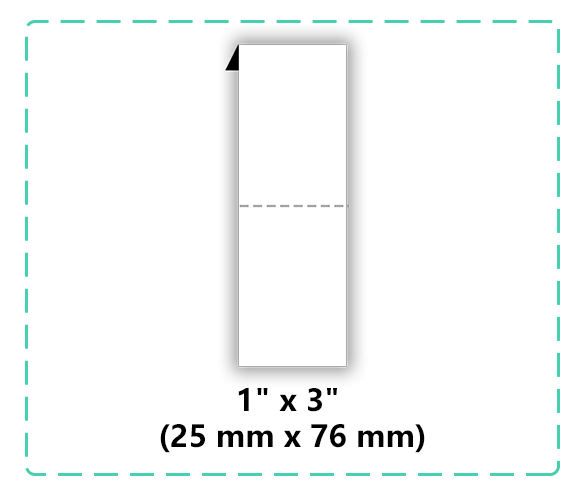
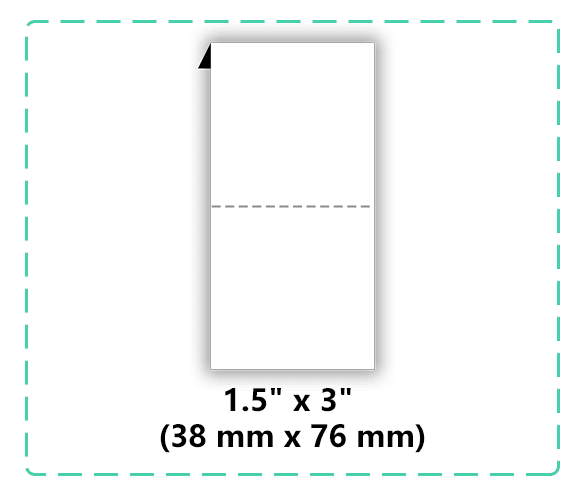
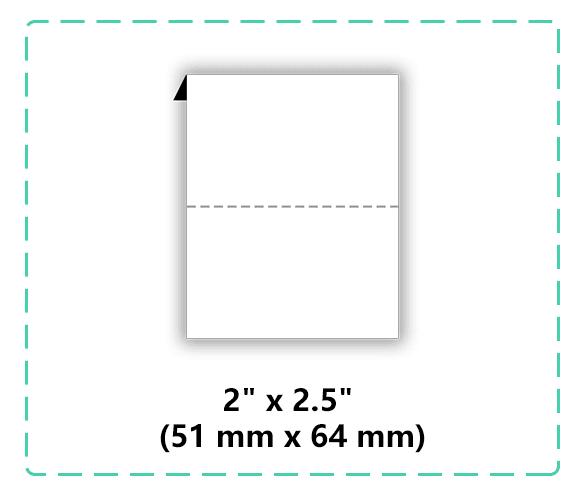
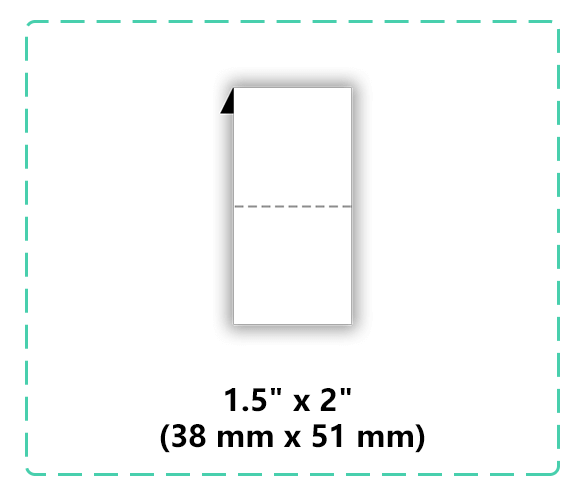
- Center fold labels split the design into two panels
- End fold labels need extra space on the sides for sewing
- Manhattan fold labels may require careful planning for visible and hidden sections
This means a size that works well for a straight cut label may feel too small once the same design is used on a folded label.
If you already know the fold style you want, it is best to choose the label size based on the visible area after folding, not just the total flat size.
When You Should Go Larger
You should consider sizing up if:
- your logo has fine detail
- your brand name is long
- you want both logo and text on the label
- you plan to use a folded style
- you want the label to be a visible design element
Trying to force a detailed design into a label that is too small usually leads to weaker clarity. In many cases, going slightly larger gives a cleaner and more premium result.
When You Can Go Smaller
A smaller woven label can work very well if:
- the design is text-only
- the brand name is short
- the label is used on a side seam
- the look you want is subtle and minimal
Smaller labels can feel refined when the artwork is simple and the placement is appropriate.
A Simple Rule for First-Time Buyers
If you are ordering custom woven labels for the first time, this is a practical way to decide:
- choose 50 × 25 mm for a standard main neck label
- choose 40 × 15 mm for a side seam label
- choose a slightly larger size if your design includes more detail
- choose a smaller size only if the design is very simple
This approach helps you avoid the most common mistake: selecting a label size before thinking about placement and artwork detail.
Final Thoughts
There is no single best woven label size for every garment. The right choice depends on placement, fold style, design complexity, and the overall branding effect you want.
If you are unsure, start with the garment type first, then match the label size to the design and fold style. A practical size chosen early can save time during sampling and make the final result look much more polished.
If you need help choosing the right woven label size, you can also send us your logo, intended garment type, and preferred fold style. We can suggest a suitable starting size before production.
Need Help Choosing the Right Woven Label Size?
If you are not sure which size is best for your garment, send us your logo, garment type, and preferred fold style. We can suggest a practical woven label size for your project.
FAQ
For many clothing brands, 50 × 25 mm is a common starting size for a main neck woven label because it offers a good balance between readability and comfort.
A smaller size such as 40 × 15 mm or 45 × 15 mm is often a good fit for side seam branding.
You can, but it is not always ideal. Different garments have different proportions, and the best label size often depends on placement, fold style, and design detail.
No. A larger label can improve readability, but it may also look oversized on smaller garments. The best size is the one that fits both the design and the garment naturally.
It is better to choose size together with fold style, because folding changes the visible area of the label.