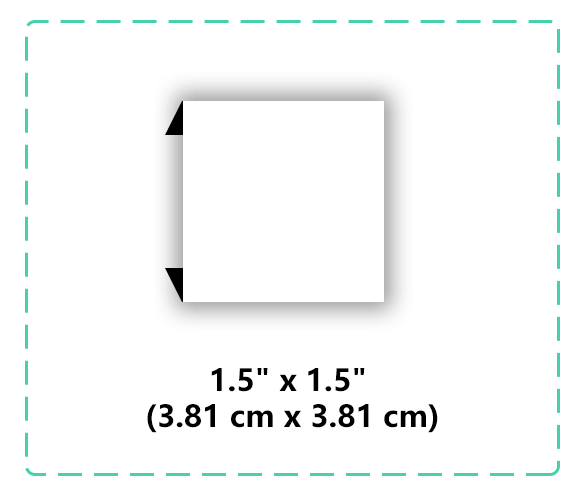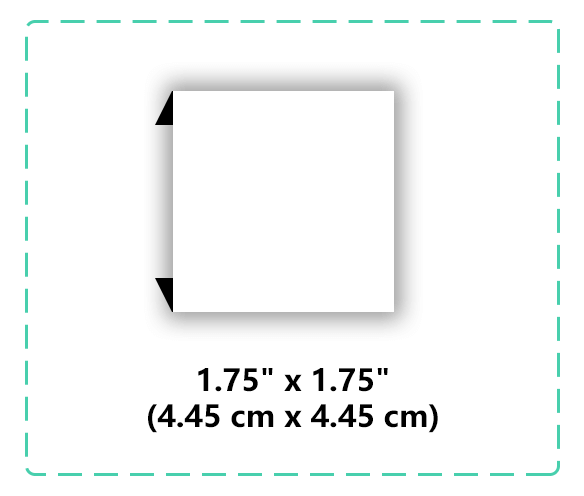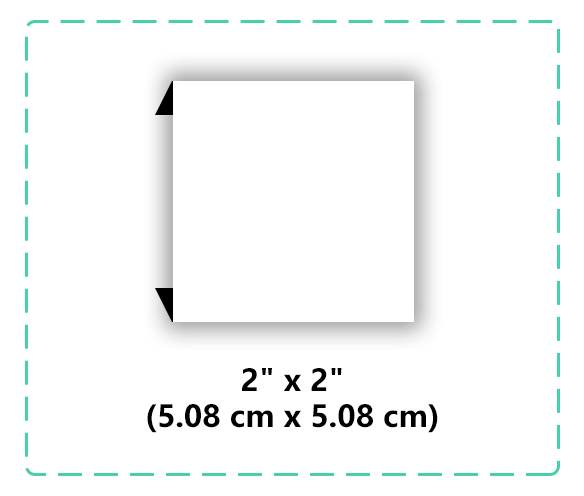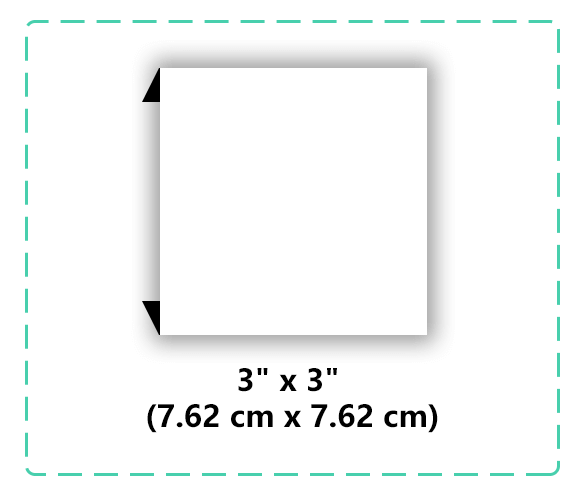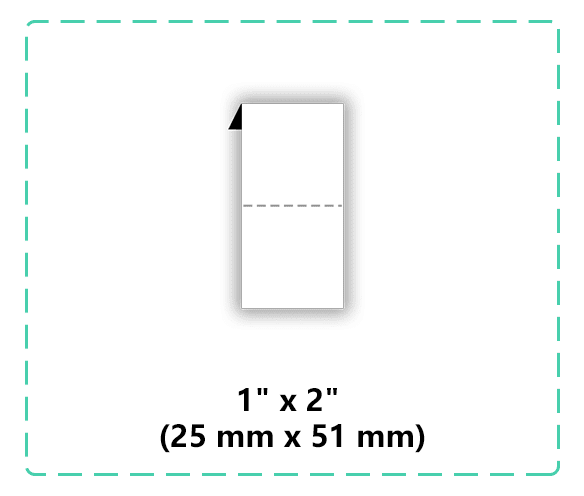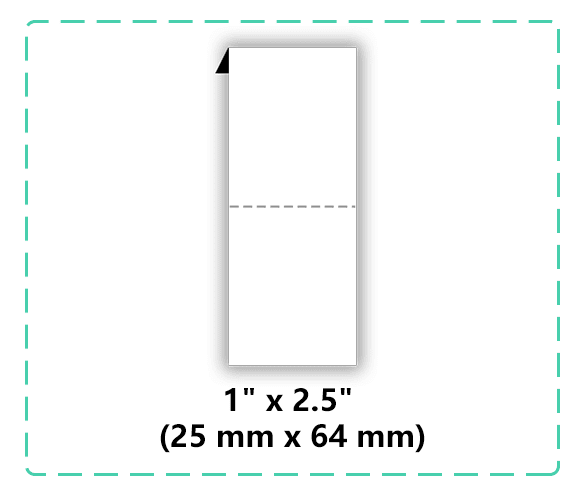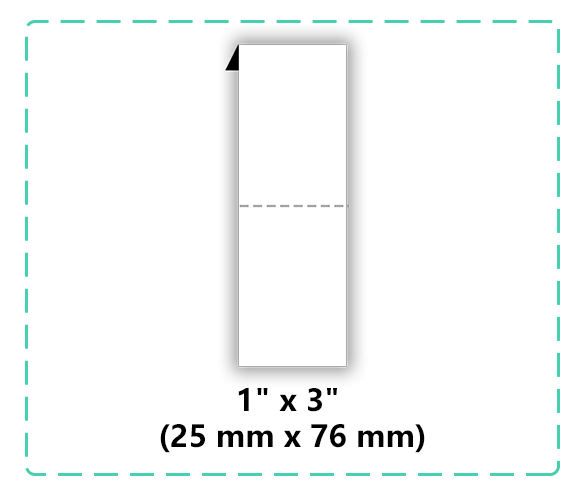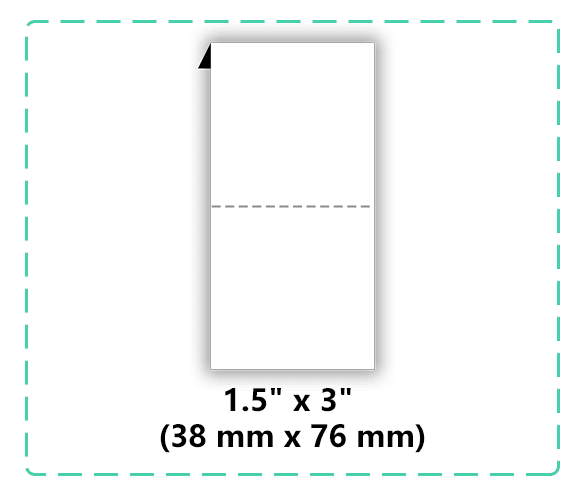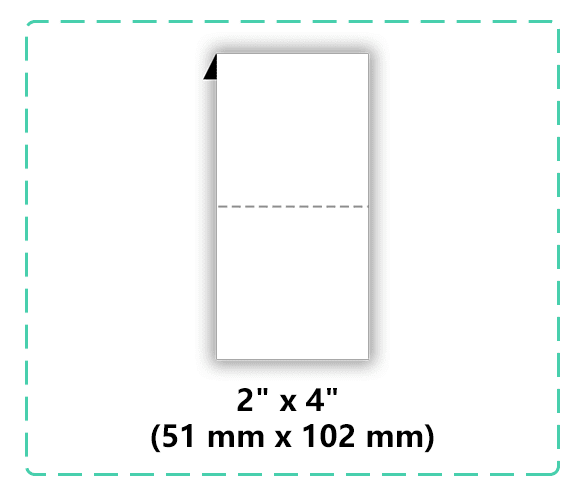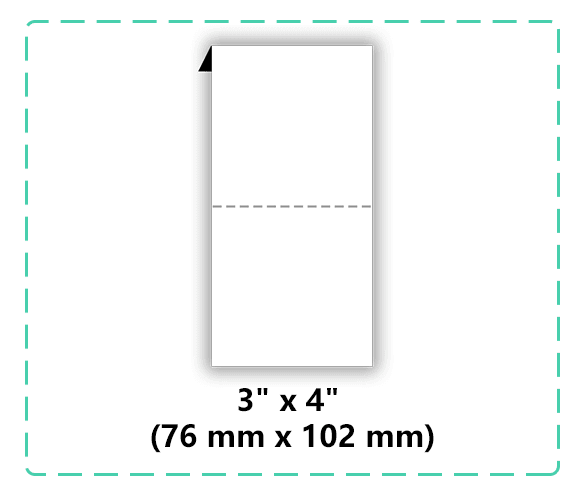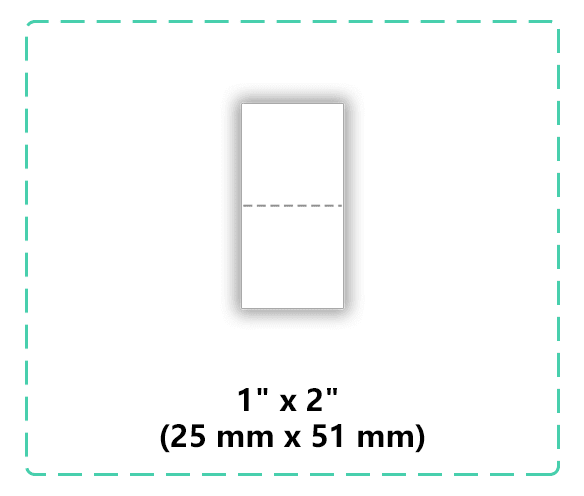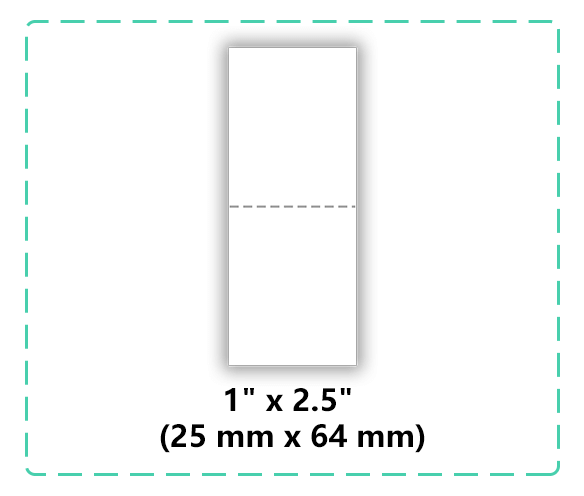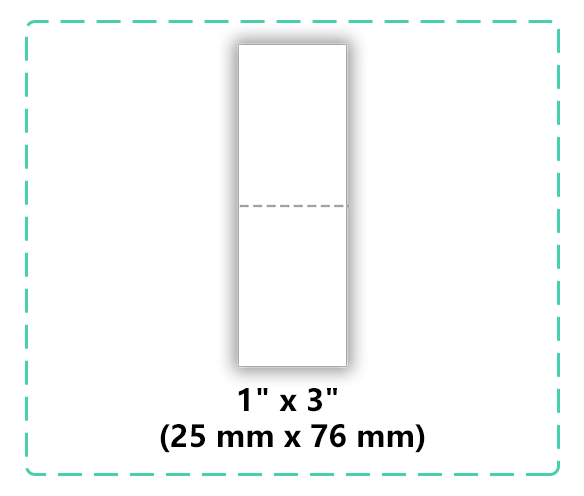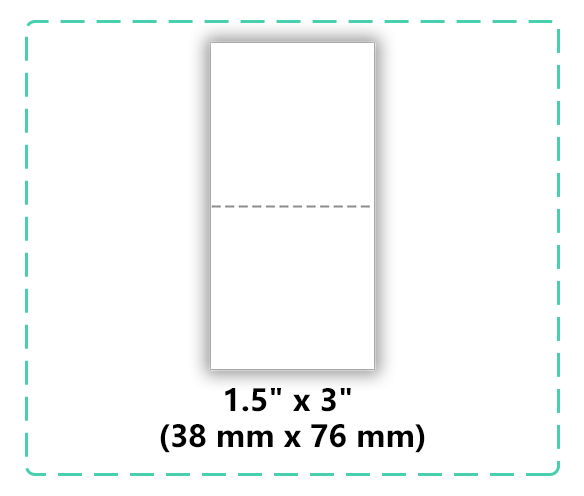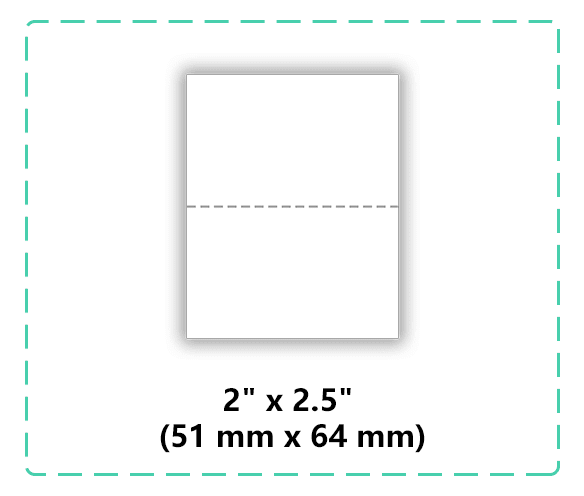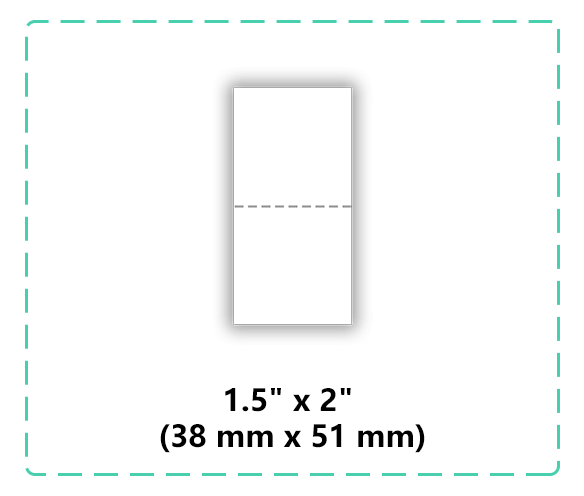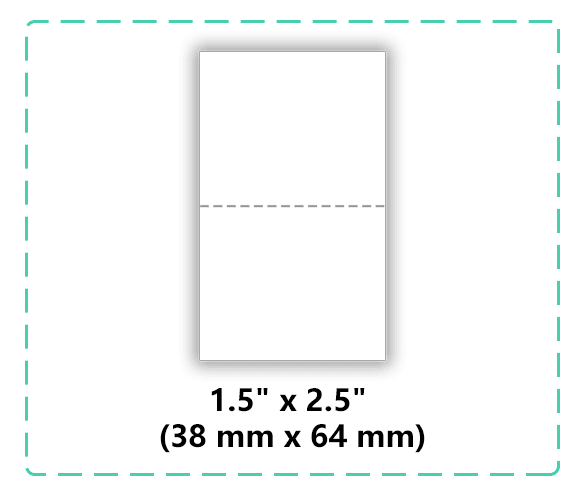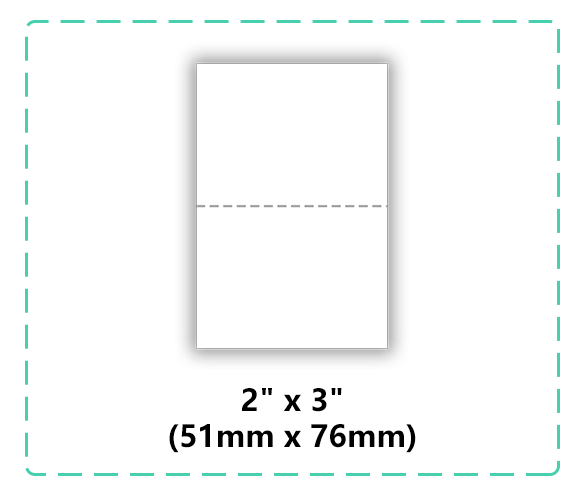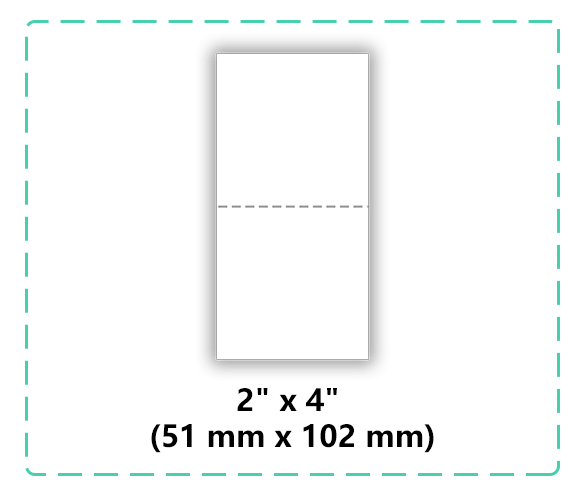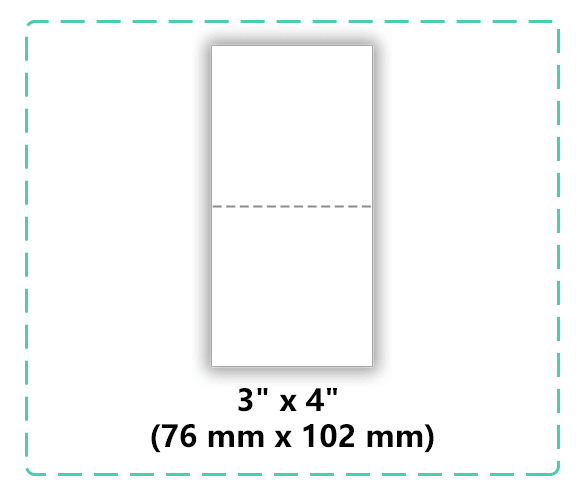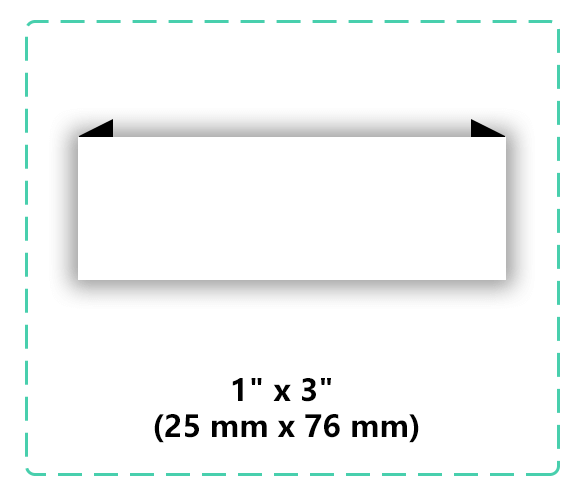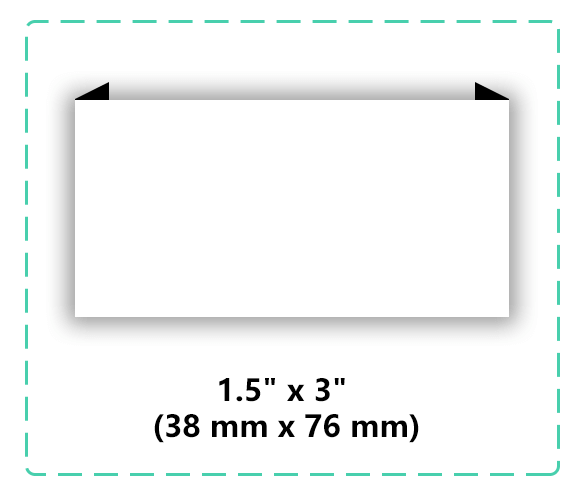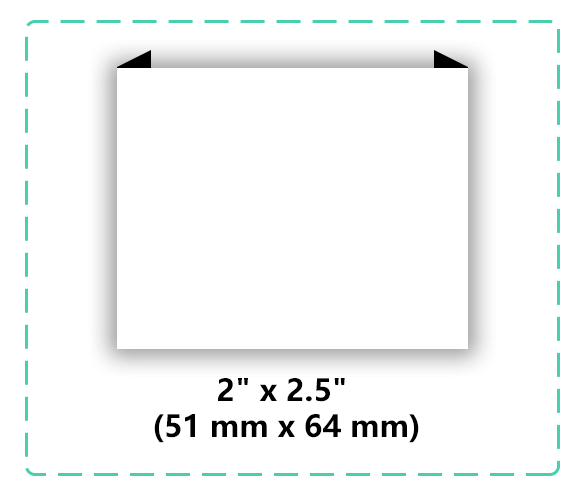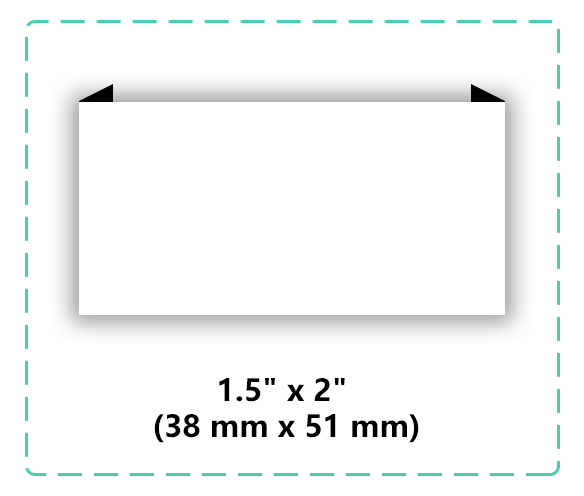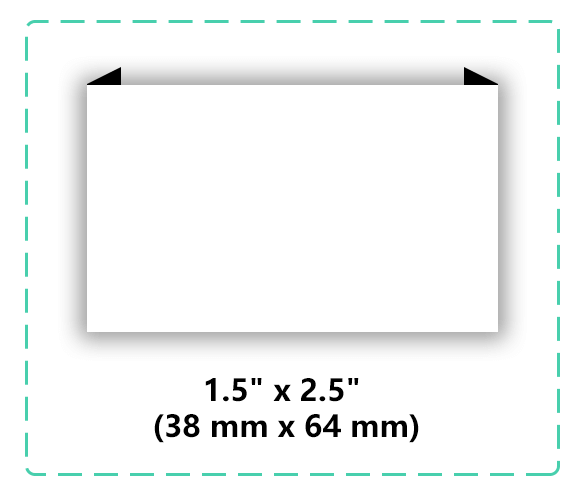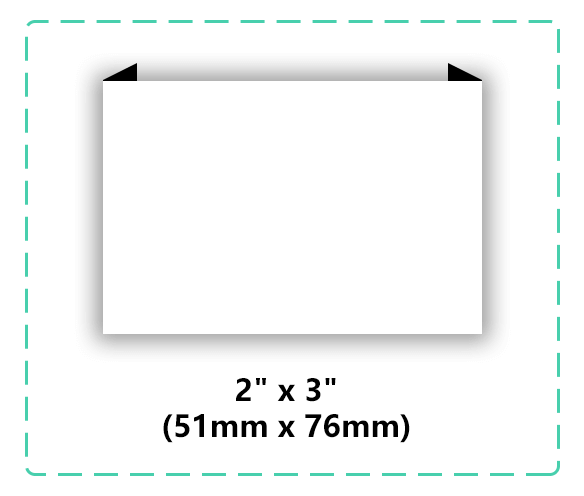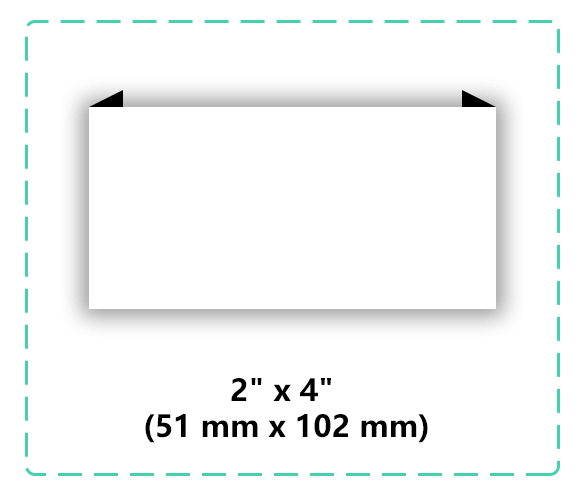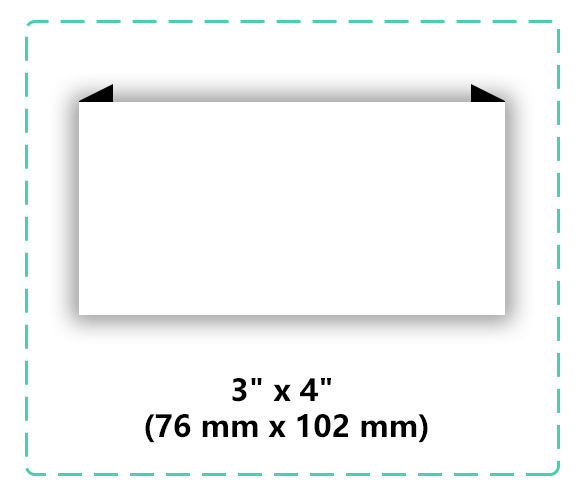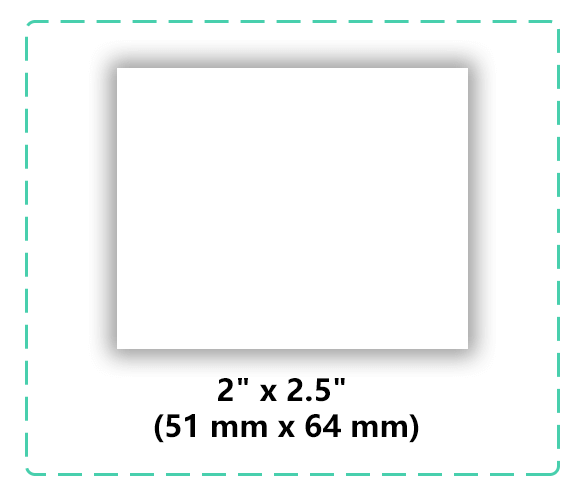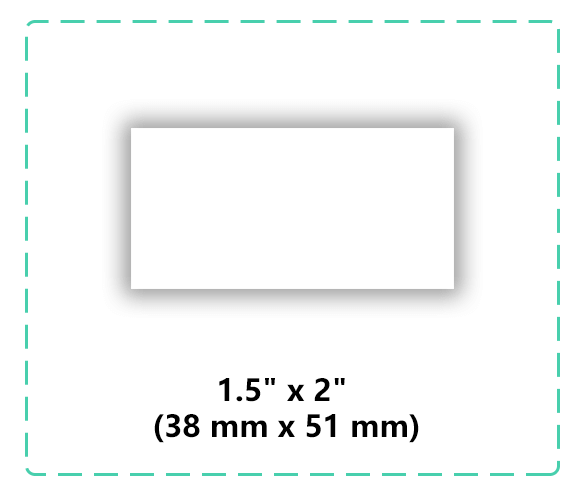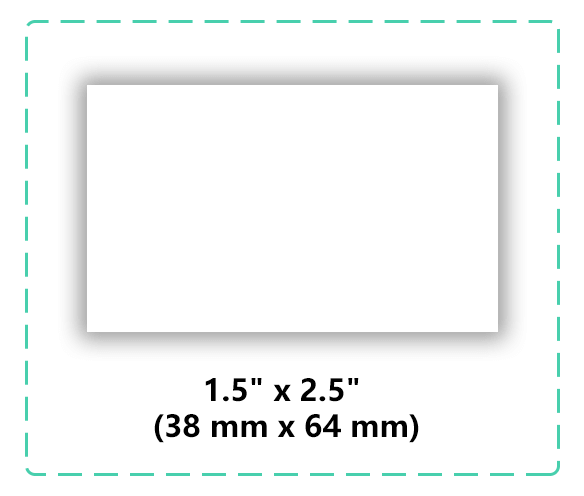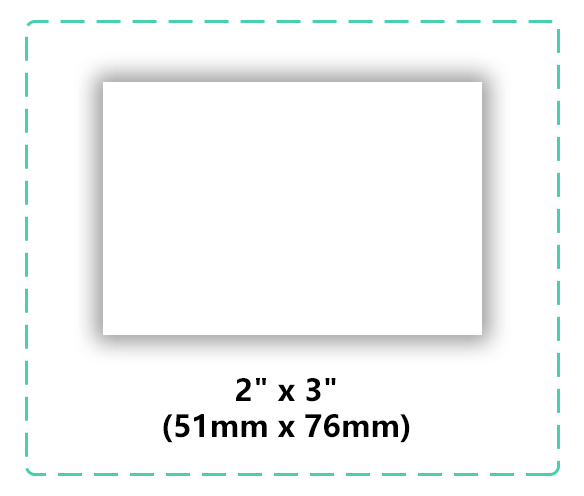

If you run a clothing brand, chances are you’ve used hang tags — or at least thought about them.
But here’s the truth most people won’t tell you:
A hang tag doesn’t need to say everything.
It needs to say the right things.
This guide breaks down what actually belongs on a custom hang tag, what’s optional, and what you should skip entirely if you want your brand to look professional, not desperate.
Why Hang Tags Matter More Than Most Brands Think
A hang tag is often the first physical touchpoint between your product and your customer.
Before they feel the fabric.
Before they try it on.
Before they decide whether your brand feels “worth it.”
A good hang tag:
reinforces brand positioning
builds trust instantly
supports pricing perception
A bad one?
clutters the product
looks cheap
gets thrown away without being read
What Every Clothing Hang Tag SHOULD Include
Let’s get straight to what actually matters.
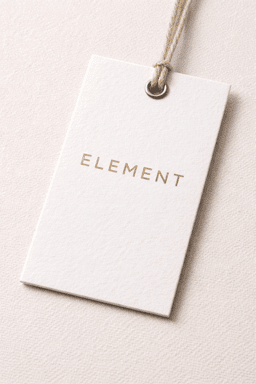
1. Your Brand Name (Clear, Not Clever)
This sounds obvious, but it’s where many brands overthink.
Your brand name should be:
easy to read
instantly recognizable
not buried under design elements
If someone can’t remember your brand name after reading the tag, the tag failed.
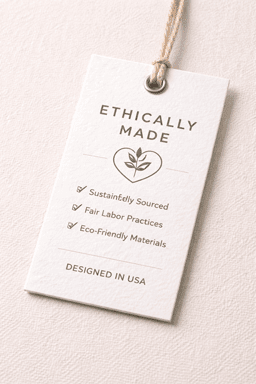
2. One Clear Message (Not a Paragraph)
Your hang tag is not your About page.
Pick one main message:
“Designed in New York”
“Ethically Made”
“Small Batch Production”
“Premium Fabric, Built to Last”
If you try to say five things, people read none.
3. Basic Product Info (Only What Helps)
Include only what helps the buyer right now:
garment name or style
fabric highlight (if it adds value)
care note (optional)
Skip:
long technical specs
internal codes
anything better suited for packaging or website
What You Should NOT Put on a Hang Tag
This is where many brands go wrong.
❌ Too Much Text
If it looks like a flyer, it’s already lost.
❌ Desperation Messaging
Avoid things like:
“Best quality guaranteed!!!”
“Lowest price”
“Please follow us on Instagram”
Premium brands don’t beg.
❌ Over-Explaining
If your product needs a full explanation to feel valuable, the issue isn’t the hang tag.
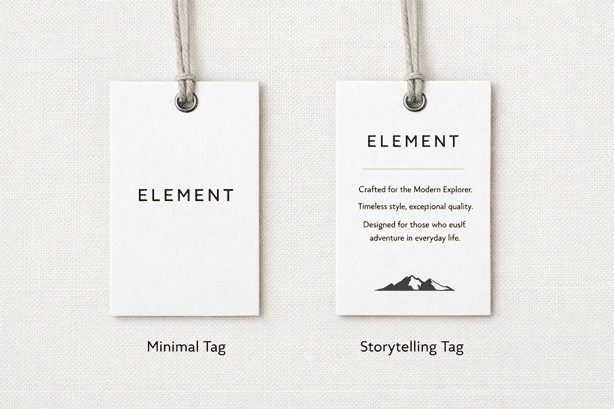
Minimal Hang Tags vs Storytelling Hang Tags
There’s no universal “best” — only what fits your brand stage.
Minimal tags work best if:
your product design speaks for itself
your brand leans premium or minimalist
you sell direct-to-consumer
Story-driven tags work better if:
you’re educating first-time buyers
sustainability or process matters
you sell in boutiques
The mistake is mixing both and ending up with clutter.
How Hang Tags and Woven Labels Work Together
Here’s the part many brands miss:
Hang tags sell the product.
Woven labels build the brand.
Hang tags:
communicate value
explain positioning
influence first impressions
Woven labels:
stay with the garment
affect perceived quality
reinforce brand memory
The strongest brands design both as a system, not separately.
👉 Learn more about woven labels here:
https://upperlabels.com/how-to-choose-the-perfect-woven-label-fold-for-your-brand/
https://upperlabels.com/how-to-choose-the-perfect-woven-label-size-a-designers-guide/
Common Hang Tag Mistakes We See All the Time
treating hang tags like ads
copying luxury brands without context
over-designing cheap paper
ignoring how tags feel in hand
A hang tag doesn’t need to impress designers.
It needs to make customers feel confident buying.
Final Thought
The best hang tags don’t shout.
They support the product, quietly and confidently.
If your hang tag does its job well, customers barely notice it —
but they feel the difference.
That’s branding.