Worldwide Shipping · Get a Custom Quote


Starting a clothing brand does not mean you need every type of label at once.
The right setup depends on what each label needs to do — permanent branding, care information, size identification, retail information, or a tagless application.
This guide explains the main clothing label options and helps small brands build a practical labeling system without adding unnecessary complexity.
1. Start With the Label’s Purpose
Before choosing a material or style, decide what information or function the label needs to handle.
Most clothing brands use labels for one or more of these purposes:
– permanent brand identification
– care and garment information
– size identification
– retail and product information
– tagless branding or sizing
One label does not need to do everything. In many cases, using two or three simple label types creates a clearer system than trying to fit all information onto one label.
2. Choose Your Main Brand Label
The main brand label usually carries the logo or brand name and stays with the garment after purchase.
Common options include:
Woven Labels
A strong choice for visible textile branding, logos, neck labels, hem labels, and side seam branding.
Cotton Labels
Useful when a natural fabric appearance fits the product or brand identity.
Printed Labels
Suitable when the artwork includes fine details, small text, more color flexibility, or information that is difficult to reproduce through weaving.
The right option depends on the artwork, finished size, placement, garment, and preferred appearance.
Not sure which production method fits your design? See our Clothing Label Materials Guide.
3. Add a Care Label When Garment Information Needs to Stay With the Product
Care labels are used for garment information that should remain available after purchase.
Depending on the product and market, this may include:
– care instructions
– fiber composition
– size
– country of origin or other product information
– brand or company details where appropriate
Because care-label requirements can vary by product and destination market, confirm the information you need before finalizing the artwork.
For information-heavy layouts, printed care labels are often a practical starting point because they can accommodate multiple lines, symbols, and different garment variations.
4. Decide How You Want to Show Size
Size information can be handled in different ways.
You may:
– include the size on the main brand label
– include it on the care label
– use a separate size label
– use a heat transfer size mark for selected garments
The best setup depends on how many sizes you produce, how your garments are constructed, and whether you want the size information to be easy to update between product variations.
5. Use Hang Tags for Retail and Pre-Purchase Information
Hang tags are removable, so they are useful for information customers or retailers need before purchase.
A hang tag may include:
– logo and brand name
– product or style information
– price
– SKU or barcode
– QR code
– website
– selected product details
Hang tags do not replace permanent garment labels. They serve a different role in the overall labeling system.
6. Consider Heat Transfer for a Tagless Setup
Heat transfer labels apply branding or information directly to the garment instead of adding another sewn-in fabric label.
They can work well for:
– inside-neck branding
– size information
– activewear
– underwear
– lightweight garments
– products where reducing label bulk is important
The garment fabric, stretch, application area, and artwork should be reviewed before choosing heat transfer.
Do Small Brands Need Every Type of Label?
Simple Apparel Brand
A practical starting point for many small clothing brands.
- Main brand label
- Care label
Retail-Ready Clothing
Useful when you need both permanent garment information and pre-purchase details.
- Main brand label
- Care label
- Size information
- Hang tag
Tagless Activewear
A cleaner setup when reducing label bulk is important.
- Heat transfer branding or sizing
- Permanent care label
Handmade or Small-Batch Products
Keep the system simple and add only what the product actually needs.
- Main brand label
- Additional product information only when needed
These are starting points, not fixed rules. The final combination depends on your garment, market, branding, and product information.
No.
A practical label system should match the product and sales process rather than include every available option.
First Clothing Label Order Checklist
Before requesting a quote, prepare:
– Product type
– Label type or intended purpose
– Artwork or logo
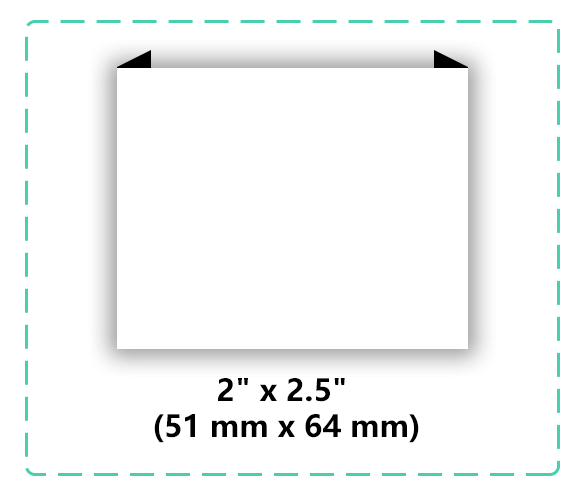
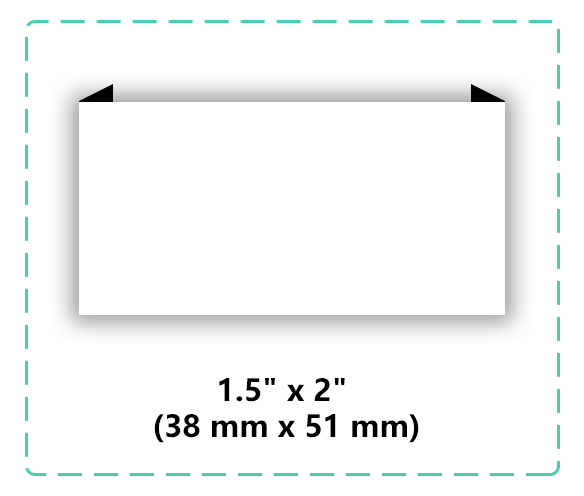
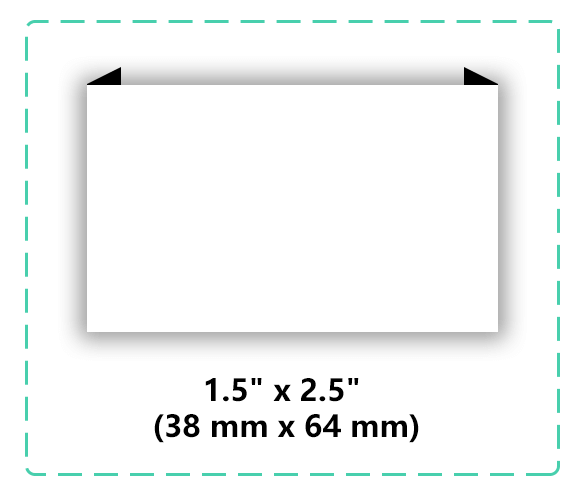
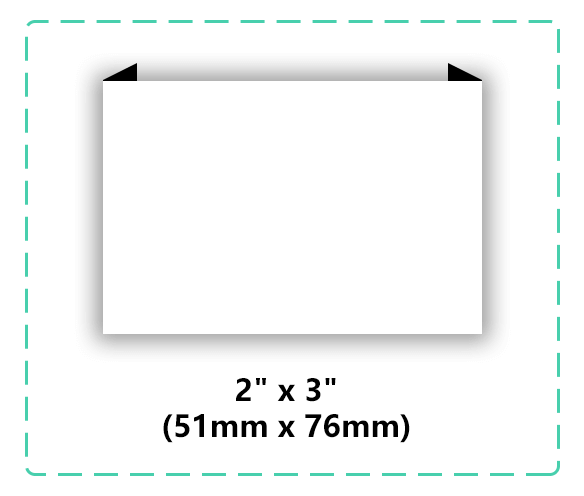
– Finished size, if known
– Quantity
– Fold or attachment preference, if applicable
– Garment placement
– Size or product variations
– Care or retail information that needs to be included
– Required delivery date and shipping country
If some specifications are still uncertain, send the information you already have and we can review the setup before production.
Related Guides
Frequently Asked Questions
What clothing labels does a new brand need?
Many brands start with a main brand label and a care label, then add size labels, hang tags, or heat transfer labels when the product and sales process require them.
Should I choose woven or printed labels?
Woven labels work well for visible textile branding and clean logos, while printed labels are often better for fine text, complex artwork, care information, and designs that need greater color flexibility.
Can one label include both branding and size information?
Yes. Size information can be combined with a main label or care label when the layout remains clear. Separate size labels can also make product variations easier to manage.
Do I need a hang tag?
Not every product needs one. Hang tags are useful when you need removable branding, pricing, SKU, barcode, QR code, or other pre-purchase product information.
What if I do not know the exact label specifications yet?
What if I do not know the exact label specifications yet?
Not Sure Which Labels Your Brand Needs?
Send us your garment type, artwork, quantity, placement, and the information you need to include. We can review the setup and help you choose a practical combination of labels for your product.